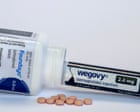
Australians struggling with obesity may soon bypass weekly injections as pharmaceutical regulators prepare to introduce an oral tablet version of the blockbuster weight-loss medication Wegovy to local pharmacy shelves.
The development marks a significant transition in the management of metabolic health, offering a needle-free option for patients seeking medical intervention for chronic weight management.
A needle-free alternative to weekly jabs
Until now, glucagon-like peptide-1 (GLP-1) receptor agonists approved for weight loss—such as semaglutide, marketed as Wegovy, and tirzepatide, sold as Mounjaro—have been administered almost exclusively via subcutaneous weekly injections. An oral formulation of semaglutide has previously been accessible in Australia under the trade name Rybelsus, but only at lower doses indicated for type 2 diabetes rather than obesity.
As The Conversation AU reported, clinical trials demonstrate that higher daily doses of oral semaglutide yield weight-reduction outcomes comparable to the maximum weekly injectable doses. Patients taking the highest trial dose of the daily tablet lost approximately 15 per cent of their body weight over 68 weeks, closely mirroring the benchmark set by the injectable formulation. The drug works by mimicking natural gut hormones that slow gastric emptying and signal satiety to the brain.
Stiff costs and PBS hurdles for private patients
Despite regulatory progress, access for everyday Australians will remain tethered to significant out-of-pocket expenses. The medication is unlikely to receive an early subsidy under the Pharmaceutical Benefits Scheme (PBS) for general weight loss, meaning consumers must rely on private prescriptions.
The Conversation AU reported that monthly treatment costs are projected to run into hundreds of dollars, potentially ranging between $150 and $400, reflecting the current pricing structure of private injectable regimens. Health economists note that without public subsidies, the treatment risks widening health disparities, leaving lower-income households unable to sustain the long-term therapy required to maintain weight loss.
Strict regimens and gastrointestinal trade-offs
While a tablet avoids the psychological barrier of needles, taking semaglutide orally introduces stringent daily requirements. Absorption of the peptide through the stomach lining is notoriously inefficient, necessitating the use of absorption enhancers.
To ensure efficacy, patients must take the tablet upon waking on an empty stomach with no more than half a glass of plain water, subsequently fasting for at least 30 minutes before consuming food, other beverages, or routine medications. Straying from this protocol significantly impairs drug uptake.
Furthermore, oral administration does not mitigate common adverse effects. Nausea, vomiting, diarrhoea, and constipation remain prevalent, particularly during dosage escalation phases.
Navigating persistent supply and clinical demand
The prospective rollout comes against the backdrop of sustained global shortages of GLP-1 analogues, which have repeatedly prompted the Therapeutic Goods Administration (TGA) to urge doctors to prioritise diabetic patients. The oral version will primarily target adults with a body mass index (BMI) of 30 or greater, or those with a BMI of 27 alongside weight-related comorbidities such as hypertension.
Clinicians stress that while oral Wegovy expands therapeutic choice, it is designed as an adjunct to lifestyle modification rather than a standalone cure.