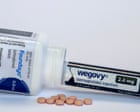
Australians struggling with obesity will soon have access to a daily weight-loss pill following regulatory approval, offering patients an oral alternative to weekly GLP-1 injections ahead of the festive season.
Daily tablet replaces needle regimens
The Therapeutic Goods Administration (TGA) has formally cleared the oral formulation of Novo Nordisk’s Wegovy, marking the regulatory arrival of the nation’s first GLP-1 receptor agonist in tablet form. As The Guardian Australia reported, the medication is anticipated to reach Australian community pharmacy shelves by Christmas, providing a much-anticipated substitute for individuals hesitant to use self-injecting pens.
Semaglutide, the active pharmaceutical ingredient underpinning Wegovy and its diabetes-focused counterpart Ozempic, functions by synthesising the body’s naturally occurring glucagon-like peptide-1 hormone. This biological mechanism stimulates insulin secretion, slows gastric emptying, and communicates satiety signals directly to the brain to suppress appetite. While earlier iterations required subcutaneous injections once every seven days, the novel tablet formulation delivers the therapeutic peptide through the digestive tract, though it introduces specific daily administration routines to maintain biological absorption.
Stringent eligibility and clinical criteria
Approval by the federal medicines regulator does not signal an unrestricted consumer free-for-all. Rigorous prescribing boundaries remain firmly tethered to the product's registration schedule.
In line with the injectable predecessor, the oral treatment is approved strictly for chronic weight management in adults presenting with an obese body mass index (BMI) of 30 or higher. It is also available to individuals with an overweight BMI of 27 or above who suffer from at least one weight-related comorbidity, such as hypertension, dyslipidaemia, obstructive sleep apnoea, or established cardiovascular disease.
Clinical guidelines dictate that the pharmaceutical agent is intended as an adjunct to lifestyle modification, rather than an independent solution. Prescriptions must be paired with an energy-reduced dietary intake and sustained physical activity. Furthermore, regulatory clearance arrives amid protracted global shortages of GLP-1 therapies, which have periodically disrupted supply lines across Australia for the past two years.
Cost hurdles and long-term medical unknowns
Despite regulatory clearance, substantial financial and practical considerations remain for prospective users. Unless recommended by the Pharmaceutical Benefits Advisory Committee (PBAC) and subsequently listed on the Pharmaceutical Benefits Scheme (PBS), the tablet will be accessible solely via private prescription. Without federal subsidisation, patients are expected to face private prescription costs running into hundreds of dollars per month.
Medical specialists also note that oral peptides present unique pharmacokinetic challenges. Injections bypass the stomach entirely, but oral tablets must survive aggressive digestive enzymes. To ensure efficacy, patients must ingest the pill precisely on an empty stomach immediately upon waking, accompanied by no more than half a glass of plain water, followed by a mandatory fasting window of at least 30 minutes before consuming food, beverages, or other oral medications.
Common adverse effects align closely with injectable GLP-1 counterparts, predominantly spanning gastrointestinal issues including nausea, reflux, diarrhoea, and constipation. Clinical experts also note ongoing public health questions regarding weight regain upon discontinuation, reinforcing that metabolic health requires long-term intervention rather than a temporary pharmaceutical course.