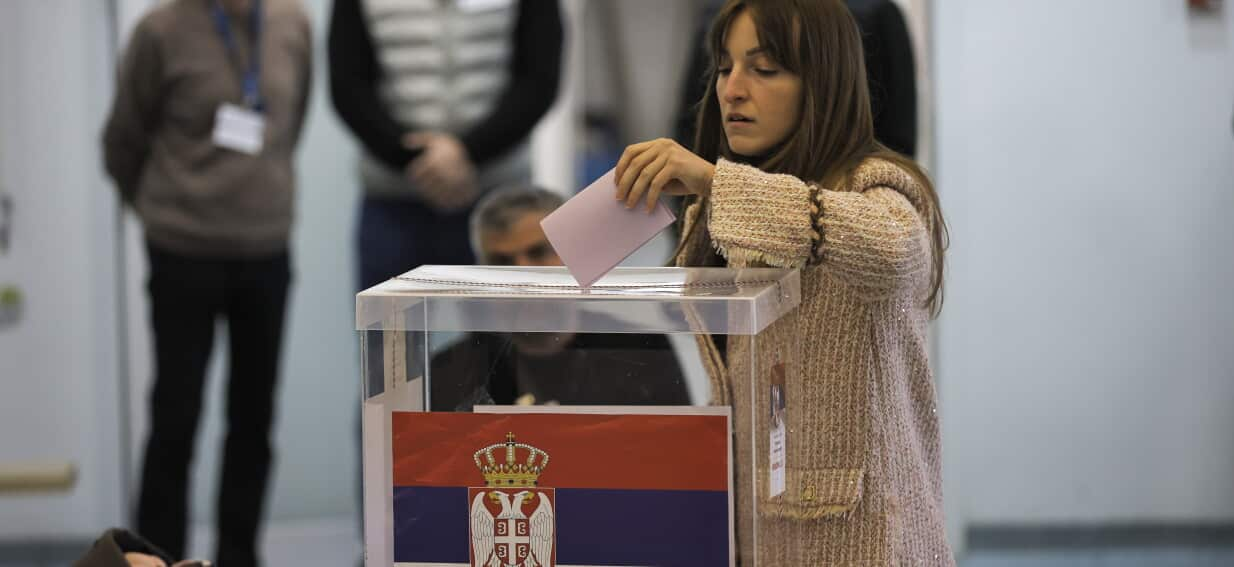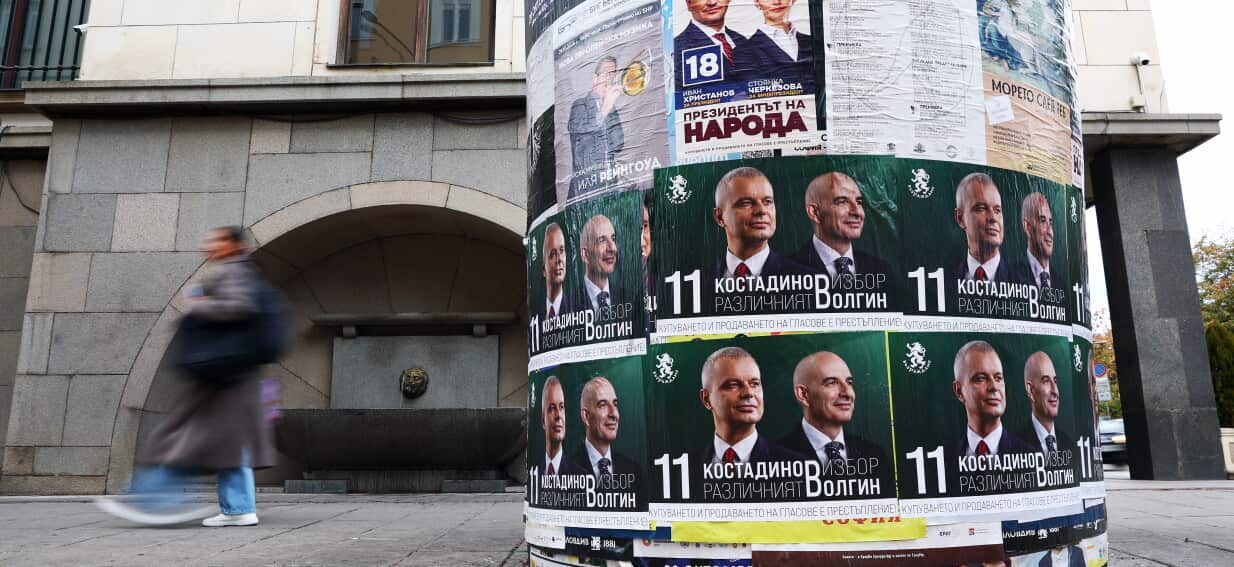
Bulgaria is hurtling towards a high-stakes presidential runoff following a lacklustre ballot plagued by historically low turnout and mounting regional anxiety over escalating security threats across the Black Sea.
SBS News Top Stories reported that the initial round of voting failed to produce a decisive victor, forcing the nation into a tense second-round showdown. However, the contest was heavily overshadowed by widespread electoral apathy, with observers warning that the anaemic voter participation signalled a deep-seated public exhaustion with Sofia's protracted political instability.
Democratic disillusionment at the ballot box
Domestic political analysts cited by the broadcaster noted that the dismal participation rate reflected intense voter frustration "with the very functioning of democracy" in the European Union’s poorest member state. Citizens have grown increasingly weary of persistent institutional deadlock, systemic graft, and repeated trips to polling booths over recent years that have yielded little tangible reform.
With domestic living pressures mounting and average wages tracking far behind Western European counterparts, ordinary Bulgarians appear thoroughly disengaged from a political class widely perceived as self-serving. The widespread abstention underscores a precarious erosion of trust in the country's civic machinery, leaving whichever candidate claims the presidency with a significantly diminished democratic mandate.
Black Sea friction rattles NATO's eastern flank
Looming large over the domestic malaise is the volatile security climate along Bulgaria’s coastal frontier. The Black Sea basin has become a focal point of geopolitical instability, placing Sofia in a strategically delicate position on NATO’s south-eastern frontier.
As regional friction intensifies, the incoming commander-in-chief will face mounting pressure to navigate the nation's historical and cultural ties with Moscow against its binding commitments to Western defence alliances. Concerns surrounding maritime trade routes, critical energy infrastructure, and naval posturing close to Bulgarian territorial waters have elevated national defence into a defining priority of the campaign, exposing sharp ideological rifts among the electorate.
Fragile alliances in a fractured parliament
While the Bulgarian presidency is traditionally seen as a predominantly ceremonial role, the head of state wields substantial influence during periods of national crisis. The president commands the armed forces, represents the country on international stages, and holds the vital constitutional authority to appoint interim caretaker cabinets whenever parliamentary negotiations stall.
That executive arbiter role has assumed outsized significance amid the chronic fragmentation of the national parliament, where coalition talks routinely disintegrate into bitter factional gridlock.
As voters prepare to return to polling booths for the deciding ballot next Sunday, the impending runoff offers little guarantee of an immediate end to the prevailing governance crisis. Instead, the vote threatens to entrench political paralysis within an exhausted populace seeking economic stability at home while warily watching its increasingly militarised borders.