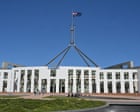
Federal politicians from both major parties are granting powerful corporate lobbyists unescorted access to private parliamentary suites, according to newly published register data exposing deep ties between lawmakers and private sector interests.
The inaugural data release reveals that Labor and Coalition parliamentarians have sponsored permanent passes for representatives of the nation’s largest resources conglomerates as well as peak bodies representing multinational online gambling operators.
Bipartisan sponsorship for corporate heavyweights
Under updated rules governing access to Parliament House, members of parliament who sponsor commercial lobbyists and external stakeholders are now subject to public disclosure on an official register. The reform was designed to lift the veil on the long-standing "orange pass" regime, which grants holders swipe-card access to secure ministerial wings and private members' corridors in Canberra.
However, The Guardian Australia reported on Tuesday that the initial publication of records offered an incomplete and heavily restricted accounting of corporate movements through the building.
The records confirm that access has been facilitated across the political divide, with both government and opposition MPs opening doors for lucrative industries actively seeking to shape federal policy. Among those sponsored are influential figures acting on behalf of major mining companies and the wagering sector, both of which have significant legislative and regulatory stakes before the current parliament.
Bureaucratic backlog clouds transparency register
While integrity watchdogs welcomed the introduction of mandatory disclosure, the debut of the register has been marred by operational delays and an acute lack of detail.
Tuesday’s disclosure provided only minimal context regarding the specific nature of the access arrangements or the commercial interests represented. Compounding the transparency deficit is a significant administrative logjam within the Department of Parliamentary Services, with more than 1,000 pass applications reportedly waiting to be processed.
This backlog means the true extent of corporate lobbying across the parliamentary precinct remains largely obscured from public view. Observers note that without comprehensive records and timely updates, the register does little to stem perceptions of backroom influence.
Integrity concerns mount over privileged corridor access
The revelations land amid heightened debate over the sway held by well-funded industry groups, particularly online bookmakers facing calls for sweeping advertising bans, and fossil fuel producers navigating environmental law overhauls.
Unlike ordinary members of the public who must clear security screening, wear visitor badges, and remain accompanied by staff, sponsored passholders enjoy the freedom to roam private corridors, conduct informal meetings, and encounter key decision-makers away from public scrutiny.
Crossbench parliamentarians and governance advocates have long argued that such unfettered proximity provides deep-pocketed commercial sectors with an unfair advantage over community groups and ordinary voters. While the newly established register represents a tentative step toward accountability, the ongoing lack of detail and mounting application backlog demonstrate that Canberra's revolving door remains firmly ajar.