
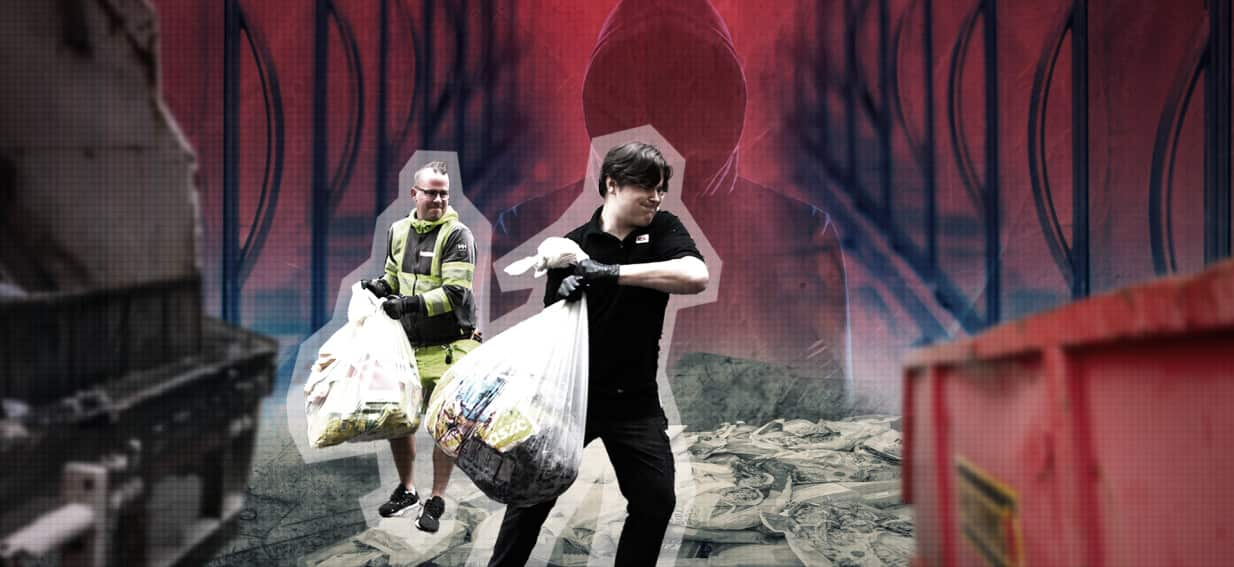
Australian cybersecurity authorities have been urged to inspect domestic supply chains following mysterious digital assaults on European cold-storage facilities that disrupted commercial refrigeration networks and sparked fears of state-backed sabotage.
The coordinated incursions, which knocked industrial freezers offline and compromised temperature-sensitive inventories across several continental distribution centres, remain officially unclaimed. However, emerging digital forensic clues have intensified speculation that foreign intelligence operatives or ideologically driven hacktivists are actively probing vulnerabilities within global supply lines.
Digital sabotage in the cold chain
Industrial refrigeration systems—historically treated as mundane, low-risk plant equipment—have suddenly emerged as an alarming frontier in operational technology warfare. SBS News Top Stories reported that investigators in Europe are tracing forensic markers to identify the perpetrators who penetrated internet-facing management portals, overriding thermostats and shutting down automated compressors.
The disruption extended well beyond ruined perishable cargo. In several affected logistics hubs, facility engineers scrambled to execute emergency manual overrides to avert catastrophic inventory loss, exposing critical systemic vulnerabilities in building automation software and remotely operated industrial cooling equipment.
Unmasking the shadowy perpetrators
While no syndicate has formally claimed the European campaign, threat intelligence analysts suggest the methodology bears the hallmarks of grey-zone harassment often weaponised by Russian-aligned hacktivist collectives. Such entities have steadily pivoted from symbolic denial-of-service strikes towards direct, physical interference with operational technology.
SBS News Top Stories reported that while conclusive attribution remains elusive, digital artefacts within the code indicate the campaign was designed to test baseline response thresholds rather than extract commercial profit. Unlike routine ransomware gangs that promptly demand millions of dollars in cryptocurrency, the perpetrators in these intrusions appeared primarily intent on testing whether digital payloads could inflict real-world mechanical degradation on food transport networks.
Australian logistics in the crosshairs
The European breaches have raised urgent questions for Australia’s freight, dairy, and grocery distribution networks. Given the continent's harsh climate and vast freight corridors, the domestic food supply chain is uniquely dependent on continuous, unbroken cold storage.
Domestic cybersecurity specialists warn that local supermarket suppliers and pharmaceutical distributors often rely on the very same European-manufactured operational hardware and remote diagnostic systems targeted abroad. Although the Federal Government's Security of Critical Infrastructure Act now recognises the food and grocery sector as critical national infrastructure, third-party internet-of-things devices remain a notorious weak link in enterprise defences.
Hardening the domestic frontline
The prospect of malicious actors tampering with local storage hubs has prompted warnings that logistics operators must immediately isolate their cooling infrastructure from public networks. A widespread compromise of eastern seaboard cold-storage facilities could cost retailers hundreds of millions of dollars in lost produce within days, whilst jeopardising critical pharmaceutical reserves.
National security advisories continue to urge warehouse operators to enforce multi-factor authentication on all remote engineering interfaces, audit third-party vendor access, and ensure manual operational overrides remain functional. As hostile foreign states continue to blur the boundaries between virtual conflict and physical sabotage, the resilience of Australia's food supply may hinge on the cyber defences shielding its industrial freezers.