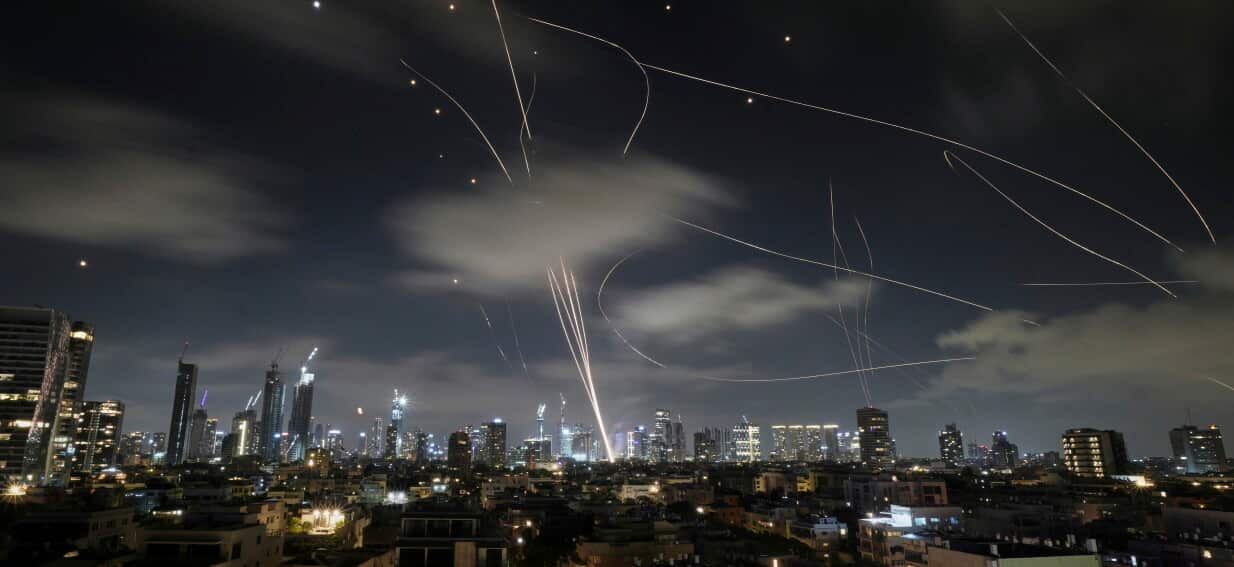
The federal government is weighing the acquisition of an advanced Iron Dome-style missile interceptor system to shield Australia from proliferating aerial drone and missile threats, SBS News Top Stories reported.
The strategic assessment comes amid mounting international concern over the rapid evolution of modern warfare, where low-cost loitering munitions and autonomous attack drones have repeatedly breached conventional integrated air and missile defence networks across Eastern Europe and the Middle East.
According to the broadcaster, defence planners in Canberra are examining sovereign options to protect critical northern infrastructure, military installations, and populated centres against saturation strikes conducted by uncrewed aerial vehicles (UAVs).
A shifting paradigm in regional air defence
The proliferation of commercial and military-grade drone technologies has upended traditional military calculations across the Indo-Pacific. While long-range ballistic and cruise missiles have dominated strategic planning in recent defence white papers, the operational reality displayed in modern conflicts highlights an acute vulnerability to massed, inexpensive aerial swarms.
SBS News Top Stories reported that Australian defence authorities are scrutinising interceptor systems capable of tracking, prioritising, and neutralising dozens of incoming projectiles simultaneously.
Israel’s battle-tested Iron Dome, developed by Rafael Advanced Defense Systems alongside American partners, has long served as the global benchmark for short-range rocket, artillery, and mortar interception. However, adapting such an architecture for the Australian continent presents distinct geographic hurdles. Unlike compact operational environments abroad, the Australian Defence Force (ADF) must contend with vast littoral approaches and isolated northern bases that demand highly mobile, network-linked arrays.
The economics of intercepting autonomous swarms
A central driver behind the consideration of dedicated short-range interceptors is the crippling financial asymmetry of counter-drone operations. Western armed forces deployed in recent international conflicts have frequently expended surface-to-air missiles valued at upwards of $2 million each to destroy crude, mass-manufactured attack drones costing less than $30,000.
Military analysts have consistently warned that such an exchange rate is fiscally and industrially unsustainable during protracted combat. An Iron Dome-style platform relies on relatively lower-cost interceptors designed specifically for high-volume threat environments, offering a viable economic counterweight to persistent swarm tactics.
The proposal would complement ongoing efforts under Project LAND 19 Phase 7B, through which the Australian Army has begun fielding the National Advanced Surface-to-Air Missile System (NASAMS). While NASAMS provides robust medium-range coverage, strategic planners recognise the imperative for a denser, layered shield capable of handling sub-tier loitering munitions.
Aligning with the National Defence Strategy
The push to bolster domestic air shields reflects the broader directives outlined in the Albanese government’s National Defence Strategy, which identified the hardening of northern forward bases as an urgent national priority.
Defence analysts have increasingly flagged that Australian ports, fuel depots, and airfields across the Top End remain exposed without comprehensive integrated air and missile defence (IAMD). Integrating kinetic interceptors with directed-energy weapons and electronic warfare jamming is widely regarded by military planners as the required architecture for credible future deterrence.
While procurement timelines and potential budget allocations remain subject to internal cabinet deliberations, the review underscores a growing consensus in Canberra: traditional air defence doctrines must rapidly adapt before regional power dynamics render existing protections obsolete.