Fresh waves of violent unrest have swept through major French cities as thousands took to the streets to protest against soaring living costs, deep-seated inequality, and contentious economic reforms.
The resurgence of turbulence comes despite concerted government efforts to suppress civil unrest through heightened security and stern legal warnings. SBS News Top Stories reported that demonstrations had resumed across the country, with flashpoints erupting between frontline agitators and riot police who deployed tear gas and water cannons to disperse unyielding crowds.
Street clashes test heavy policing strategy
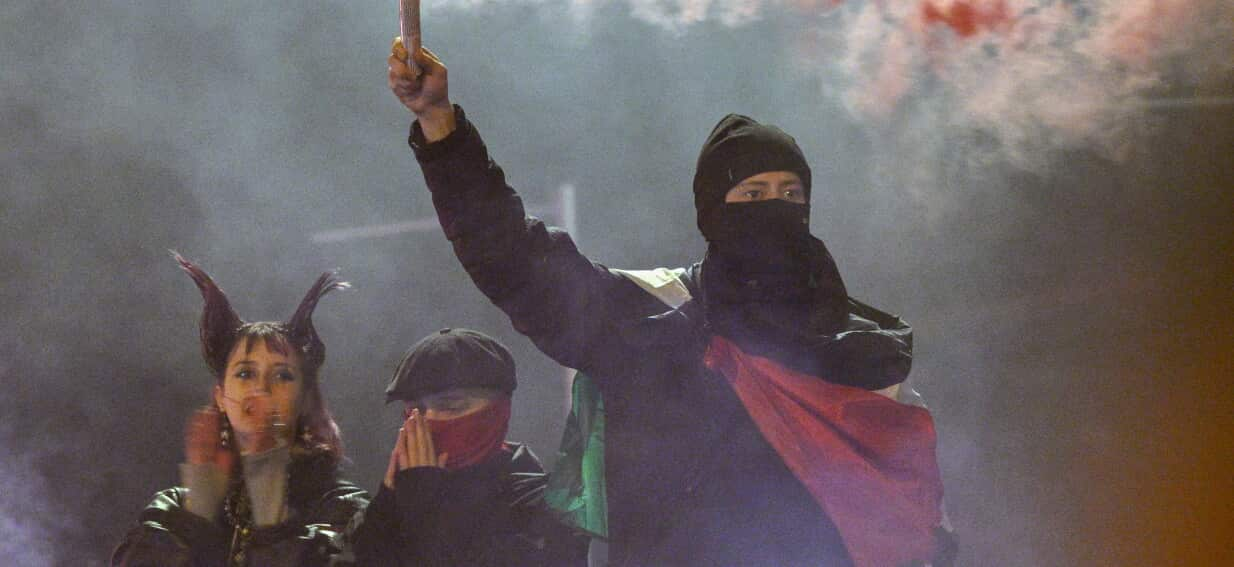
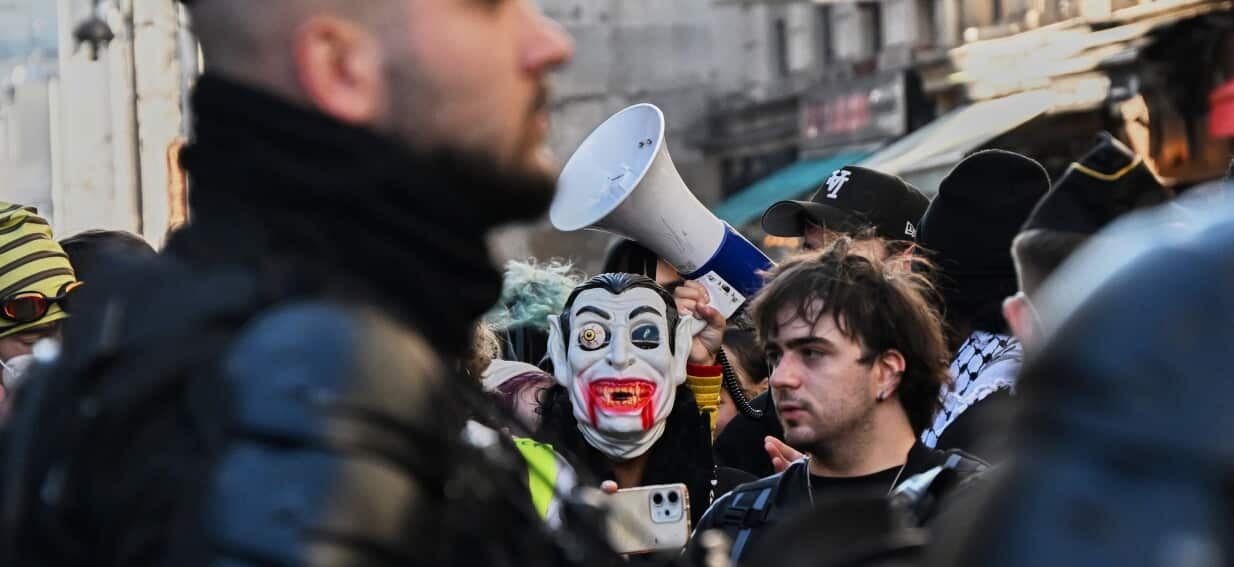
In Paris, what began as organised trade union processions rapidly deteriorated into running skirmishes along major boulevards. Projectiles, fireworks, and makeshift barricades were set alight near commercial districts, sending plumes of acrid black smoke drifting past shuttered shopfronts. Security forces in heavy body armour responded with baton charges and stun grenades to regain control of blocked intersections.
Regional capitals including Lyon, Nantes, and Marseille witnessed similar volatility. Local authorities had deployed thousands of officers in anticipation of disturbances, following weeks of heightened vigilance. While broad swathes of the marchers demonstrated peacefully, radical factions embedded within the rallies routinely engaged law enforcement, shattering bus shelters and targeting banking branches viewed by activists as symbols of financial excess.
Civil rights monitors and opposition politicians have raised mounting concerns over the scale of the state’s crowd-control tactics, whilst interior ministry officials maintained that proportionate force was vital to protect emergency workers and public infrastructure from coordinated violence.
Household budgets squeezed by inflation
At the root of the recurring unrest lies an entrenched sense of economic abandonment. Soaring grocery bills, rising energy tariffs, and sluggish wage growth have severely eroded purchasing power for millions of ordinary French households. The financial strain mirrors pressures felt globally, where families are struggling to absorb cumulative price shocks that have outpaced modest pay rises.
Protesters also directed their anger at government fiscal policies that critics argue disproportionately shelter the wealthy while shifting the tax and labour burden onto working-class citizens. For many working families, meeting basic monthly living expenses—often equivalent to several hundred Australian dollars more per month than two years prior—has become an unsustainable hurdle, fostering deep resentment towards the political establishment.
Widening political headache for Paris
The renewed mobilisation represents a protracted crisis of authority for President Emmanuel Macron’s administration, which has struggled to reset its domestic agenda amid persistent public alienation. Previous legislative concessions and social assistance packages have done little to placate either militant unionists or disaffected youth.
With union leaders signalling that further strikes and industrial actions remain on the table, the French executive faces an increasingly narrow path to de-escalation. International observers warn that prolonged domestic turbulence risks depressing tourism, discouraging commercial investment, and eroding France's political stability at a moment when European economies are already grappling with broader geopolitical and fiscal headwinds.