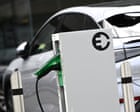
Australian motorists are rapidly shifting gears, with new data revealing that electric and hybrid vehicles are now being purchased at nearly the same rate as traditional petrol-powered cars. This significant trend, observed between April and June, comes as fuel prices once again flirt with the $2-a-litre mark, prompting consumers to reconsider their options at the bowser.
New figures from the Australian Automobile Association (AAA) indicate a substantial surge in EV sales, which doubled in the months following the peak of the recent fuel price spike. This pivot towards more fuel-efficient and electric options highlights a growing consumer response to both economic pressures and environmental considerations.
Shifting Sands in the Showroom
The landscape of Australian car sales is undergoing a profound transformation. For years, petrol vehicles have reigned supreme, but the latest AAA data suggests their dominance is now under serious threat. Between April and June, the combined sales of electric and hybrid vehicles approached parity with petrol car sales, a milestone that underscores a rapid evolution in consumer preference. This momentum is particularly notable given the relatively nascent stage of the EV market in Australia compared to other developed nations. The Guardian Australia reported on the AAA's findings, highlighting the acceleration of this trend in the wake of escalating fuel costs.
The Pump Pain Driving Change
The resurgence in fuel prices is undeniably a key catalyst for this shift. The federal government's temporary fuel excise reduction, introduced to cushion the impact of global oil market volatility, concluded on Sunday. As a result, motorists are once again facing the prospect of paying upwards of $2 per litre for petrol, a price point that has historically spurred anxiety and budget adjustments for households and businesses alike. This financial pressure is pushing many to explore alternatives that promise lower running costs, making electric and hybrid vehicles increasingly attractive propositions. The initial fuel price spike earlier in the year evidently served as a powerful impetus for consumers to seriously consider making the switch, with EV sales figures reflecting this immediate reaction.
Infrastructure and Incentives Play Catch-Up
While consumer demand for EVs and hybrids is clearly on the rise, the pace of infrastructure development and government incentives remains a critical factor in sustaining this growth. The expansion of charging networks, particularly in regional areas, is crucial for alleviating 'range anxiety' among potential EV buyers. Similarly, ongoing discussions around federal and state-based incentives, such as rebates, stamp duty exemptions, or lower registration fees, could further accelerate adoption. Industry experts suggest that a cohesive national strategy addressing both infrastructure and incentives will be vital to capitalise on this burgeoning interest and ensure Australia keeps pace with the global transition to cleaner transport.
Long-Term Outlook for Australian Motoring
The trajectory of new car sales suggests a long-term shift away from internal combustion engines. As battery technology improves, manufacturing costs decrease, and a wider variety of electric and hybrid models become available, their appeal is only set to grow. The current fuel price environment acts as a powerful accelerator, but underlying trends towards sustainability and technological advancement are also at play. This transformation is not just about individual vehicle purchases; it has broader implications for Australia's energy independence, emissions targets, and urban planning, paving the way for a significantly different motoring landscape in the decades to come.