Israel is staring down the barrel of another protracted political stalemate as preliminary counting reveals an uphill battle for rival leaders attempting to secure a viable governing majority in the Knesset.
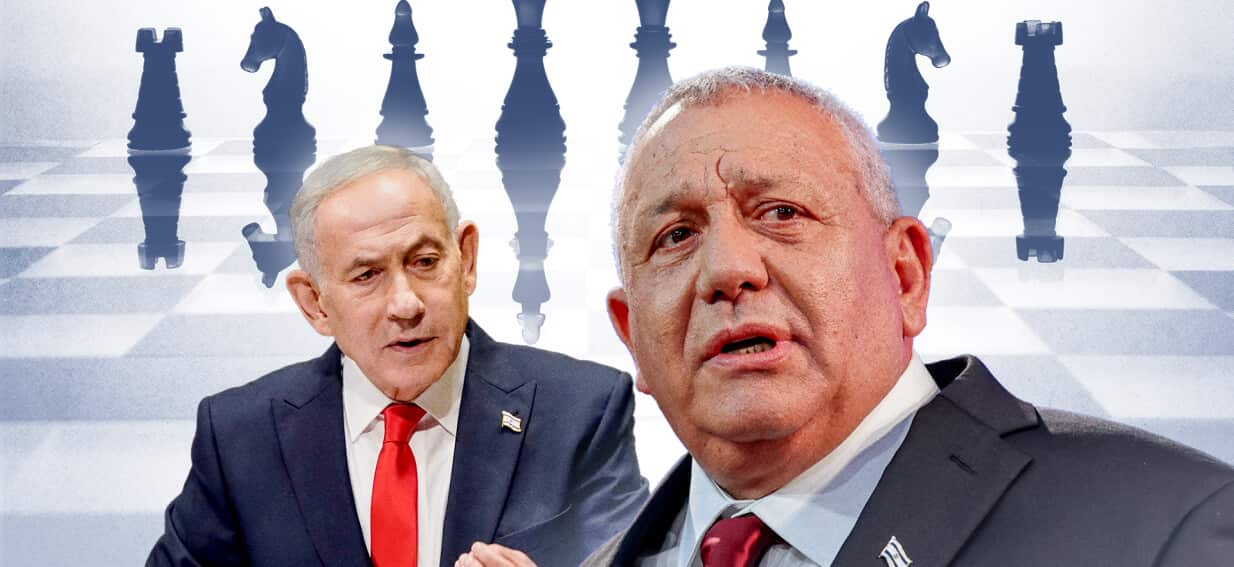
The count, which follows intense campaigning across the country, threatens to plunge the nation back into the familiar cycle of parliamentary paralysis that has haunted Jerusalem over recent years. SBS News Top Stories reported that both Prime Minister Benjamin Netanyahu and prominent opposition figure Gadi Eisenkot face steep obstacles in assembling the 61 seats required to command confidence in the 120-member parliament.
The arithmetic of a fractured Knesset
Under Israel’s proportional representation system, single-party majorities are functionally impossible, leaving governance dependent on fragile coalitions formed among disparate factions. Early tallies indicate that neither the conservative-religious bloc aligned with Mr Netanyahu nor the centrist and anti-Netanyahu groupings have established a decisive path to the requisite threshold of 61 seats.
Mr Eisenkot, a former chief of general staff of the Israel Defence Forces who has emerged as a central figure within the opposition, represents a crucial pillar in efforts to block Mr Netanyahu’s path to an outright majority. Yet, cobbling together a broad coalition across ideological divides—stretching from secular nationalists to Arab parties—presents a near-insurmountable diplomatic puzzle for the opposition.
SBS News Top Stories reported that the razor-thin margins have intensified concerns that weeks of fractious negotiations could ultimately yield no viable administration, raising the prospect of an immediate return to the ballot box.
High stakes for a beleaguered prime minister
For Mr Netanyahu, the longest-serving prime minister in the country's history, the current impasse carries immense political and personal jeopardy. Facing ongoing corruption trials that he has steadfastly denied, his political survival relies almost entirely on holding together a firm alliance with ultra-Orthodox and religious-nationalist partners.
However, even minor defections or underperformance by allied factions could leave his bloc stranded short of the necessary numbers. Should Mr Netanyahu fail to secure a working majority, the presidential mandate to form government would be offered to rival lawmakers, triggering aggressive horse-trading across the political spectrum.
Analysts note that the domestic division comes at a time of acute regional and security tensions, amplifying the cost of prolonged executive instability for ordinary Israelis and international partners alike.
The threat of perpetual caretaker rule
If neither camp can bridge the ideological chasm to construct a stable coalition within statutory timeframes, Israel faces the return of indefinite caretaker governance. Under Israeli law, if successive candidates fail to form an administration, the Knesset dissolves automatically, forcing the electorate back to polling booths.
Such an outcome would mirror the unprecedented sequence of five snap elections between 2019 and 2022, which cost billions of shekels—amounting to hundreds of millions in Australian dollars—and severely degraded public trust in democratic institutions.
As the remaining ballots are tallied over the coming days, party negotiators have already begun informal overtures. Yet with political animosities deeply entrenched, the likelihood of a swift resolution appears increasingly remote, leaving the country poised on the edge of constitutional inertia.