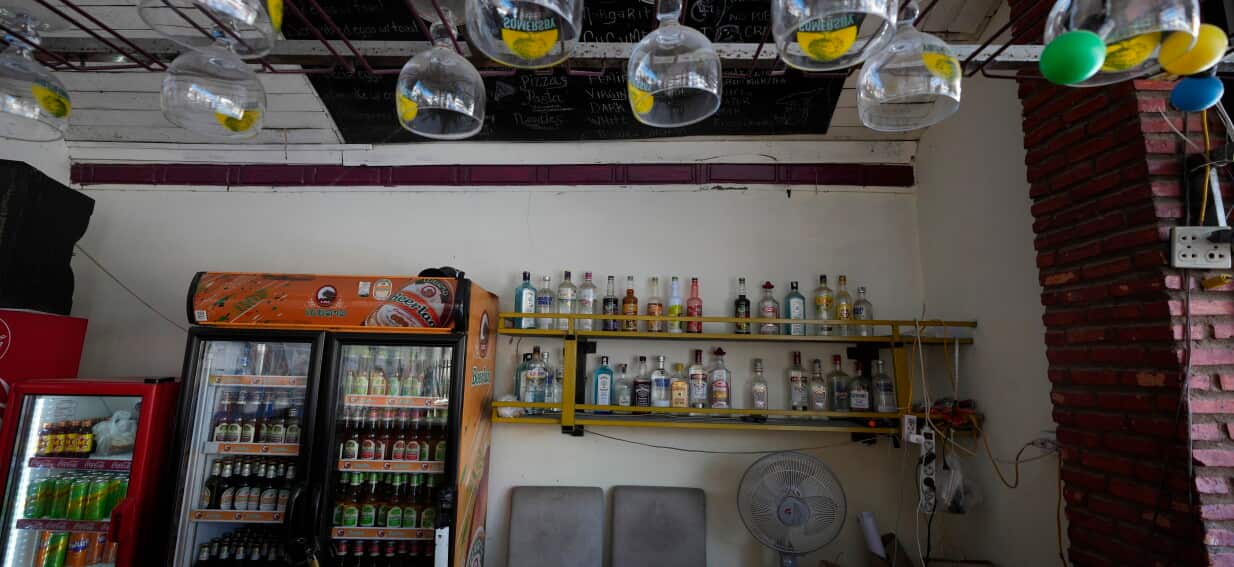
Vientiane authorities are steadfastly refusing to officially confirm methanol poisoning as the cause of death for several tourists, including at least one Australian, who tragically died after falling ill in the country. Despite widespread suspicion and international reports, Laotian officials state a lack of autopsies means the definitive cause of death cannot be proven as methanol.
This stance emerges even as legal proceedings against those allegedly responsible move forward, with suspects facing charges relating to selling food harmful to health and operating an illegal business. The incidents, which largely occurred around the popular tourist destination of Vang Vieng, have cast a shadow over Laos’s burgeoning tourism industry and sparked concern among international travellers.
Unanswered Questions Amidst Tragic Loss
The cluster of deaths and illnesses, predominantly in late 2011 and early 2012, garnered significant international attention, especially in Australia and other backpacker hubs. Young travellers, often after consuming locally produced alcoholic beverages, would suddenly fall gravely ill, with symptoms consistent with methanol poisoning. Families of the victims have long campaigned for answers and accountability, grappling with the profound loss under mystifying circumstances. SBS News Top Stories reported on the Laotian government's official position, highlighting the ongoing ambiguity surrounding the incidents that claimed young lives, including that of a 27-year-old Australian man. His family, like many others, were left without clear answers from Laotian authorities regarding the precise cause of his sudden demise. While reports from medical professionals in subsequent care often pointed towards methanol, the initial lack of forensic examination in Laos has allowed authorities to maintain their non-committal stance.
Legal Action Proceeds, But Cause Unconfirmed
Despite the Lao government's reluctance to confirm methanol as the official cause of death, legal actions have been initiated against individuals believed responsible for the tainted products. The charges laid, “selling food harmful to health” and “operating an illegal business,” indicate that authorities acknowledge a serious breach of public safety and regulatory standards. These charges carry significant penalties under Laotian law, reflecting the gravity with which the incidents are being treated, at least from a public health and business regulation perspective. The focus of the prosecution appears to be on the unsafe production and distribution of goods, rather than explicitly on the chemical contaminant itself. This legal manoeuvre allows authorities to pursue justice for the victims and their families, while simultaneously adhering to their official position on the unproven cause of death due to the absence of autopsies.
Broader Implications for Tourist Safety
The ongoing refusal by Laotian authorities to definitively link the deaths to methanol poisoning raises broader questions about transparency and public health measures in popular tourist destinations globally. For Australian travellers planning trips to Southeast Asia, particularly those eyeing the vibrant backpacker trails of Laos, the incidents serve as a stark reminder of potential risks associated with unregulated local products. Travel advisories from the Australian Department of Foreign Affairs and Trade (DFAT) often caution tourists about consuming locally produced alcohol in certain regions due to varying quality control standards. While specific warnings about methanol outbreaks are rare, the general advice to exercise caution when consuming unregulated food and beverages remains paramount. The Laotian government’s position, while frustrating for victims’ families seeking closure, also underscores the challenges of conducting thorough forensic investigations in developing nations, particularly when resources or expertise may be limited.
The Path Towards Closure
For the families of those lost, particularly Australian families who have travelled thousands of kilometres and spent tens of thousands of Australian dollars seeking answers, the official Laotian position offers little in the way of closure regarding the definitive cause of death. While the indictment and prosecution of those selling harmful products are a step towards justice, the absence of an official confirmation on methanol leaves a lingering question mark. International bodies and diplomatic channels have previously engaged with Laotian authorities on these cases, advocating for thorough investigations and greater transparency. Moving forward, continued pressure for improved forensic capabilities and public health oversight will be crucial not only for justice in past tragedies but also for safeguarding future travellers to this otherwise beautiful and welcoming nation.