BEIRUT: As Australians commemorate the ANZAC spirit of rebuilding after hardship, Lebanon grapples with a cycle of destruction that seems unending. This week marks four years since the catastrophic Beirut port explosion, a tragedy that killed over 200 people, injured thousands, and decimated large swathes of the capital. Yet, this somber anniversary is overshadowed by a fresh wave of devastation, as much of southern Lebanon lies in ruins due to ongoing Israeli attacks.
The echoes of the port blast, a preventable disaster caused by negligence and corruption, are now compounded by the thunder of artillery and drone strikes along the southern border. For a nation already teetering on the brink of economic collapse, with a currency that has plummeted and essential services crumbling, this new conflict represents an existential threat, pushing countless families to the precipice of despair.
Southern Lebanon Razed
Al Jazeera reported extensively on the scale of the destruction in the south, painting a grim picture of once-vibrant villages now reduced to rubble. Homes, farms, and infrastructure – the very fabric of community life – have been obliterated. The UN’s International Organisation for Migration estimates that over 90,000 people have been displaced from their homes in southern Lebanon since October, seeking refuge in safer areas, often in overcrowded and under-resourced conditions.
Agricultural lands, vital for the livelihoods of many in the south and for national food security, have been scorched or rendered unusable. This destruction has a cascading effect, exacerbating an already dire food crisis and pushing more families into poverty. The financial cost of rebuilding, even if peace were to miraculously break out tomorrow, is staggering, potentially running into billions of Australian dollars – a sum far beyond the means of the bankrupt Lebanese state.
A Nation's Economic Ruin Deepens
Lebanon’s economy has been in freefall since 2019, with the local currency, the Lebanese Pound, losing over 90% of its value against the US dollar. This devaluation has crippled purchasing power, pushing an estimated 80% of the population below the poverty line. The ongoing conflict only deepens this economic quagmire. Businesses in the south have been forced to close, unemployment is soaring, and the national budget, already in deficit, faces immense new pressures from emergency relief efforts and potential reconstruction costs.
International aid, while crucial, has often been a band-aid solution to systemic problems of governance and corruption. With the global spotlight often shifting, Lebanon risks becoming a forgotten crisis, its pleas for sustained assistance drowned out by other geopolitical events. The current conflict threatens to unwind any fragile progress made in stabilising the economy, pushing it further into an abyss of hyperinflation and societal breakdown.
The Unbearable Weight of Displacement
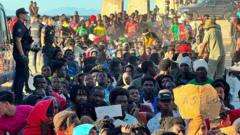
For those displaced from the south, the struggle to rebuild is a cruel repetition of past traumas. Many who lost homes and livelihoods in the Beirut blast now find themselves uprooted again. They face the immediate challenges of finding shelter, food, and medical care, while simultaneously grappling with the psychological toll of war and uncertainty. Children, in particular, bear the brunt, their education disrupted and their futures clouded by the constant threat of violence.
Families speak of leaving everything behind, their entire lives packed into a few bags. The sense of helplessness and frustration is palpable, as they are caught in a conflict not of their making, paying the ultimate price for regional geopolitical tensions. The immediate priority is survival, but the long-term goal of returning home and resuming a normal life seems an increasingly distant dream for many. The international community, including Australia, must not turn a blind eye to this unfolding humanitarian catastrophe.
Australia's Role and Responsibility
As a nation with a significant Lebanese diaspora, Australia holds a particular interest and responsibility towards Lebanon. Many Australian-Lebanese families maintain deep ties to their homeland, and the suffering of those in Lebanon resonates deeply within Australian communities. Humanitarian aid, diplomatic pressure for de-escalation, and support for transparent governance initiatives are all avenues through which Australia can contribute to alleviating the crisis.
The sheer scale of human suffering and infrastructural damage demands a robust and sustained international response. Without an end to the hostilities and a concerted effort to support Lebanon's recovery, the anniversary of the Beirut blast will continue to serve as a stark reminder not only of past tragedies but of a nation trapped in a perpetual state of agony and destruction.