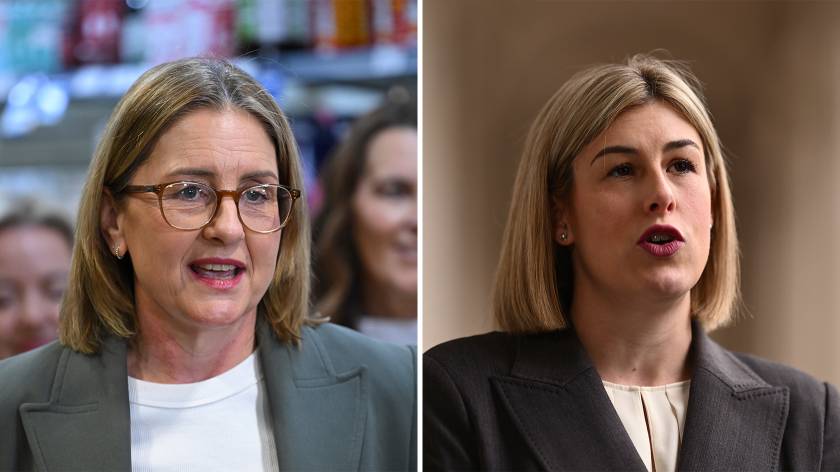
As Victoria gears up for its next electoral showdown, the often-overlooked yet critically important flow of preferences from the Liberal Party is emerging as a potential kingmaker, according to analysis by electoral guru Antony Green for Crikey. The strategic allocation of these votes could dictate the balance of power, a dynamic that has played out in unexpected ways in past elections, raising questions about its impact on the upcoming poll.
The 2010 Twist: Green Preferences and Liberal Fortunes
The 2010 Victorian election stands as a compelling case study in the power of preference flows. Crikey reported that an internal Liberal Party directive saw preferences funnelled towards the Greens in several key seats. This move, while seemingly counter-intuitive for some traditional Liberal voters, sparked considerable debate about its efficacy. Was it a stroke of genius that propelled the Coalition to victory? While the direct impact remains a subject of ongoing discussion among political strategists, it highlighted the sheer influence such tactical decisions can exert on the final count. Many analysts believe it was a calculated risk that ultimately paid off, even if by a narrow margin, by dislodging Labor incumbents in target electorates where the Greens had a strong primary vote but little chance of winning outright.
More Than Just a Gesture: Preferences as Strategy
Liberal preferences are not merely a polite request to voters; they are a sophisticated strategic tool. In tightly contested seats, where neither of the two major parties achieves an absolute majority on primary votes, the flow of preferences from minor parties and independents becomes paramount. For the Liberal Party, the decision of whether to preference Labor, the Greens, or other smaller parties is fraught with political implications. A blanket recommendation could alienate segments of their own voter base or, conversely, be perceived as a tacit endorsement of policies they fundamentally oppose. Antony Green’s analysis underscores that these decisions are made with a clear eye on the overall electoral map and the specific dynamics of individual electorates, aiming to maximise the chances of a preferred outcome, which typically means unseating Labor.
The Shifting Sands of Modern Victorian Politics
Victoria's political landscape has undergone significant fragmentation in recent years, with a rise in support for minor parties and independents. This fragmentation makes preferences more crucial than ever. A primary vote for the Liberal Party, particularly in inner-city seats where they face stronger Green challenges, could become a significant determinant for either Labor or the Greens in a contest against each other. Crikey highlighted that the decision of whether to direct preferences towards the Greens to block Labor, or vice-versa, will involve a delicate balance of ideological alignment (or lack thereof) and cold, hard electoral arithmetic. The party machine will weigh the risks of being seen to support policies of opposing parties against the absolute imperative of securing a parliamentary majority or denying one to their principal adversary.
What 2022 Holds: A Preference Puzzle
Looking ahead to the upcoming Victorian election, the Liberal Party's preference strategy will undoubtedly be under intense scrutiny. Will they replicate the 2010 model in specific electorates, particularly those where the Greens pose a significant threat to Labor? Or will they opt for a more traditional approach, prioritising their own brand and avoiding any perception of alignment with other parties? The answer will likely vary depending on the seat. In electorates where Labor is vulnerable and the Greens are polling strongly, a Liberal preference for the Greens could be a disruptive force. Conversely, in seats where a strong Greens vote purely impacts Liberal chances, a different strategy might emerge. Green’s assessment reaffirms that these choices are not arbitrary; they are the product of exhaustive polling, strategic modelling, and deep introspection by party strategists, all keenly aware that the fate of the next Victorian Government could very well come down to the direction of a few well-placed preference arrows.