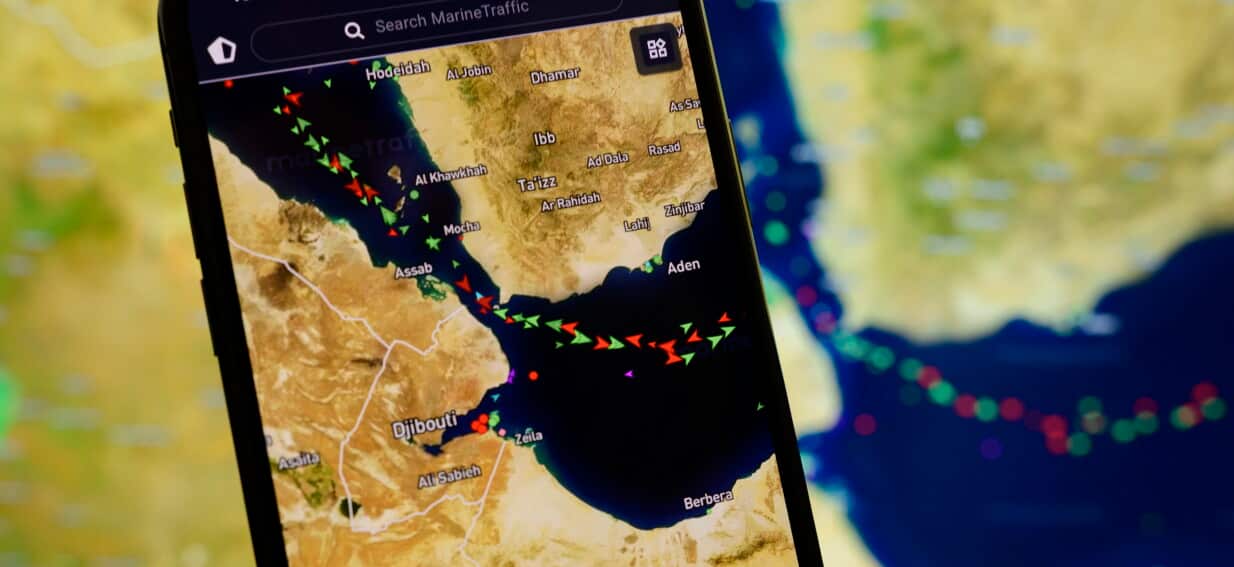
The volatile Red Sea shipping lane has once again become a flashpoint, with Yemen's Houthi rebels claiming responsibility for further assaults on commercial tankers. These escalating attacks are sending ripples of concern through international markets, threatening to drive up global oil prices and place renewed pressure on already strained supply chains, according to reports from SBS News Top Stories.
The latest incidents underscore the precarious security situation in a vital maritime artery, through which an estimated 12 per cent of global trade passes. While specific details of the alleged strikes remain somewhat murky, the Houthi movement's persistent targeting of vessels they claim are linked to Israel or its allies is creating a palpable sense of unease among shipping companies and commodity traders worldwide.
Echoes of Disruption Ripple Globally
For Australian consumers and businesses, the direct impact of Red Sea instability primarily manifests through increased energy costs and potential inflationary pressures. A significant portion of Australia's imported goods and exported resources traverse these waterways. Any sustained disruption can lead to longer shipping routes, higher insurance premiums, and ultimately, a bump in the price of everything from petrol to imported electronics. Economists are already warning that a prolonged crisis could add cents to the Australian dollar's purchasing power and potentially shave points off economic growth forecasts for the coming year.
The volatility is also driving frenzied activity in global oil markets. While current Brent crude prices have seen fluctuations, analysts suggest that a significant escalation in Red Sea incidents could push a barrel well past its current range. This would be a blow to Australian households already grappling with a cost-of-living crisis, as fuel prices at the pump would inevitably surge.
Trump's Sabre-Rattling Adds Fuel to Fire
Adding another layer of geopolitical tension to the burgeoning crisis are recent comments from former US President Donald Trump. While not directly related to the Houthi attacks, Trump's pronouncements about potentially targeting Iranian nuclear facilities have injected a new level of apprehension into the Middle East dynamic. Iran is widely believed to provide significant support to the Houthi rebels, and any direct US action against Tehran could precipitate a wider regional conflict, further imperilling shipping lanes and global energy supplies.
Such rhetoric, particularly from a potential future US commander-in-chief, is not taken lightly in diplomatic circles. The prospect of an intensified confrontation between the US and Iran carries grave implications for an already combustible region and could see even more drastic curtailments of Red Sea traffic.
Maritime Security on High Alert
Naval forces from multiple nations, including Australia, periodically operate in the region to safeguard maritime trade. However, the sheer volume of traffic and the asymmetric nature of Houthi attacks – often involving drones and anti-ship missiles – make comprehensive protection a significant challenge. Shipping companies are consequently faced with difficult decisions: either undertake lengthier, more expensive journeys around the Cape of Good Hope, adding weeks to transit times, or navigating the Red Sea under heightened risk.
The implications of these choices are far-reaching. Extended shipping times create bottlenecks in global supply chains, affecting everything from manufacturing schedules to the availability of consumer goods on Australian supermarket shelves. The insurance sector is also witnessing a spike in premiums for vessels transiting the Red Sea, a cost that is ultimately passed down to the end consumer. As the region teeters on the brink, the world watches nervously for further developments and their potential fallout on global commerce.