Canberra is watching with a keen eye as a landmark agreement between the United States and Saudi Arabia threatens to upend the delicate balance of power in the Middle East. The proposed deal, which would see the US lend its expertise to the Kingdom's civilian nuclear program, has ignited a firestorm of international debate, raising serious concerns about nuclear proliferation and igniting fears of a regional arms race.
The prospect of Saudi Arabia, a key player in the volatile Middle East, developing nuclear capabilities, even for peaceful purposes, has revived longstanding anxieties among global security analysts. SBS News Top Stories reported that the agreement has raised fresh questions about the Middle East's nuclear future, prompting discussions that stretch from Washington to Tehran, and all the way to our own Parliament House in Canberra.
Riyadh's Nuclear Ambitions Take Centre Stage
For years, Saudi Arabia has indicated its desire to pursue nuclear energy, citing growing domestic energy demands and a national aspiration for technological advancement. However, the exact nature and scope of its nuclear ambitions have always been a subject of intense speculation. While the current proposal explicitly focuses on civilian applications, including the construction of nuclear power plants to diversify its energy mix away from hydrocarbons, critics argue that the inherent dual-use nature of nuclear technology presents a significant risk.
The deal comes at a time of heightened regional tensions, particularly with Iran, which itself has pursued a controversial nuclear program for decades. The fear is that if Riyadh acquires the capability to enrich uranium, even for peaceful purposes, it could significantly shorten the timeframe for developing nuclear weapons should it choose to do so. This potential shift in the regional power dynamic is a primary concern for many international observers, who envision a dangerous security dilemma unfolding in the heart of the Middle East.
The Australian Dollar and Global Stability
For Australia, a nation deeply invested in global stability and non-proliferation, the implications are considerable. Any escalation of nuclear tensions in the Middle East could have far-reaching economic consequences, particularly on oil prices and global trade routes, directly impacting the Australian economy and the value of the Aussie dollar. Our foreign policy, which consistently advocates for non-proliferation and disarmament, faces a complex challenge in navigating this evolving landscape.
Australian officials are likely to be engaging in discreet diplomatic discussions with allies and partners, seeking assurances that stringent safeguards are in place to prevent any misuse of nuclear technology. The worry is that if Saudi Arabia were to gain access to advanced nuclear capabilities without sufficient oversight, it could trigger a domino effect, prompting other regional players to pursue their own nuclear programs for defensive or strategic purposes. This scenario, often referred to as a nuclear arms race, is a nightmare for proponents of global security.
Safeguards Under Scrutiny
Central to the debate are the safeguards that would accompany any US-Saudi nuclear deal. The gold standard for non-proliferation is the Additional Protocol of the International Atomic Energy Agency (IAEA), which grants inspectors extensive access to a country's nuclear facilities. While Saudi Arabia is a signatory to the Nuclear Non-Proliferation Treaty, questions remain whether the proposed agreement would include robust provisions for inspections and monitoring that go beyond existing commitments.
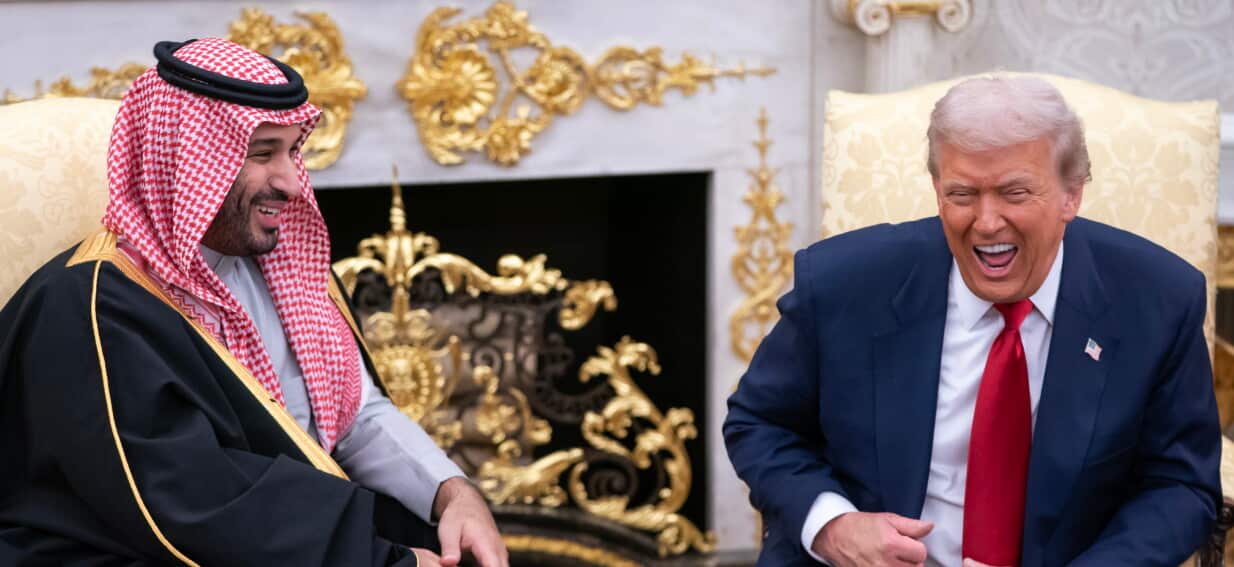
The United States, in its pursuit of bolstering regional alliances and counterbalancing Chinese influence, faces a delicate balancing act. While keen to strengthen ties with Saudi Arabia, it must also address the legitimate concerns of allies and international bodies regarding nuclear proliferation. The details of the safeguards, and the extent to which they would be legally binding and enforceable, will be critical in determining the international community's acceptance of the deal.
A New Era of Regional Volatility?
The potential US-Saudi nuclear agreement represents a significant juncture in Middle Eastern geopolitics. While proponents argue it could diversify Saudi Arabia's energy sector and strengthen US-Saudi ties, critics fear it could usher in a new, more dangerous era of nuclear proliferation and regional instability. The coming months will undoubtedly see intense diplomatic manoeuvring as nations grapple with the profound implications of this nuclear-sized risk. The world watches, keen to see if this deal will indeed change the equation in the Middle East, and whether that change will be for better or for worse.