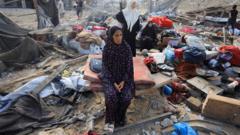
A humanitarian crisis has escalated dramatically on Europe’s doorstep, after thousands of migrants, predominantly from sub-Saharan Africa, attempted to storm the heavily fortified borders of Spain’s North African enclaves of Ceuta and Melilla. The desperate surge, met by reinforced Moroccan and Spanish security forces, has reportedly resulted in tragic fatalities and widespread injuries, according to Al Jazeera.
The unprecedented scale of the attempted crossings, which saw an estimated 2,000 people at one border point alone, has overwhelmed existing border infrastructure and highlighted the increasing desperation of those seeking refuge and a better life in Europe. Moroccan authorities, in coordination with their Spanish counterparts, have significantly beefed up security, deploying additional personnel and resources to repel the attempts, leading to harrowing scenes of confrontation.
Deadly Confrontation at the Fence
The most intense clashes unfolded at the border fence separating Morocco from Melilla, one of two Spanish cities on the African continent. Reports from Al Jazeera indicate a chaotic and violent scene, with migrants attempting to scale the razor-wire fences using improvised ladders, facing baton charges, and tear gas from both sides of the border. The sheer number of people involved, described as an 'avalanche' by some officials, overwhelmed early security responses. Tragically, at least 23 migrants are confirmed to have died during these events, with many more suffering injuries. Moroccan officials attributed the deaths to falls from the top of the border fence and a stampede, though human rights groups are calling for independent investigations into the conduct of border guards.
The fatalities mark a grim escalation in a long-standing issue, demonstrating the increasingly perilous journey undertaken by those fleeing poverty, conflict, and persecution. The incident is considered one of the deadliest in recent memory at this particular border, sending shockwaves through international humanitarian organisations.
Australia's Contribution to Border Management
While geographically distant, Australia has long been an active player in international border management discussions and contributes financially to global efforts aimed at addressing irregular migration. Annually, the Australian government allocates millions of dollars – often tens of millions of Australian dollars – to various international programs, including those run by the United Nations agencies like the UNHCR and the International Organization for Migration (IOM). These funds support humanitarian aid, resettlement programs, and initiatives designed to enhance border security and management capacities in other nations. However, the events at the Spain-Morocco border underscore the complex and often brutal realities that even significant international aid struggles to fully mitigate.
Europe's Shifting Sands of Migration Policy
The recent events have reignited fierce debate within the European Union regarding its external borders and migration policies. Spain, a frontline state for African migration into Europe, has consistently called for greater assistance and burden-sharing from other EU members. The beefed-up security measures, while intended to deter crossings, also raise ethical questions about the balance between national sovereignty, border control, and the human rights of asylum seekers. Critics argue that increasingly militarised borders simply push migrants towards more dangerous routes, often at the mercy of human traffickers. The effectiveness of such measures is also under scrutiny, with commentators suggesting that root causes of migration, such as economic hardship and political instability in home countries, must be addressed for any long-term solution.
The incident serves as a stark reminder of the ongoing challenges facing Europe and the international community in managing complex migration flows, particularly in a world grappling with increasing geopolitical instability and climate-induced displacements. The human cost of these policies continues to mount, demanding urgent and compassionate reassessment.