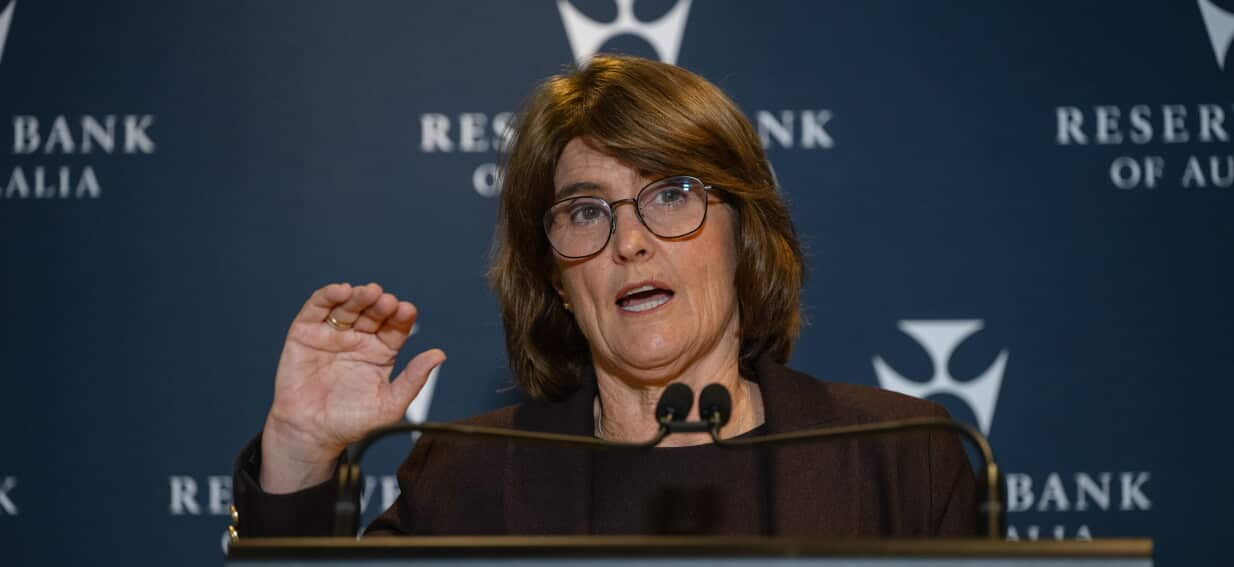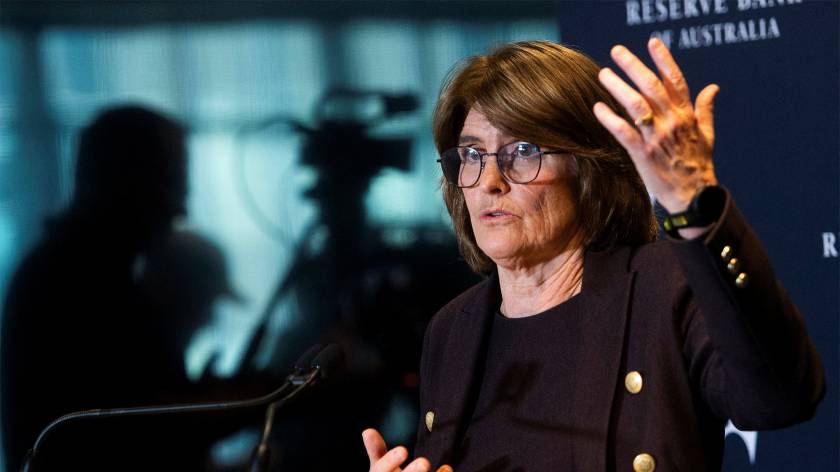
The Reserve Bank of Australia confronts an acute policy dilemma this week, balancing stubborn inflation against fragile household budgets and rising global economic headwinds ahead of the critical Christmas retail season.
Central bank policymakers gathering at Martin Place face intensifying scrutiny as headline and trimmed-mean price measures remain uncomfortably above the 2 to 3 per cent target band. While financial markets have debated the timing of potential monetary easing, persistent domestic price pressures continue to complicate any pivot towards rate relief.
Festive spending under mounting pressure
The proximity of the festive period adds an acute social and economic dimension to the board's calculations. Household balance sheets have already endured significant erosion across the current tightening cycle, with heavily indebted mortgage holders absorbing the bulk of higher borrowing costs.
As Crikey reported, the looming Christmas trading period poses a severe test for both retailers and consumers. Discretionary spending has steadily deteriorated throughout the second half of the year, leaving retail turnover vulnerable. Another rate adjustment or a prolonged hawkish stance threatens to further chill consumer sentiment during a seasonal window that traditionally sustains small and medium enterprises through the summer months.
Labour market resilience tested by sticky prices
Complicating the inflation fight is the evolving state of the Australian labour market. Although the official unemployment rate has shown remarkable durability over recent quarters, forward-looking indicators point to softening hiring intentions and an easing in job vacancies.
Central bank officials must weigh whether further tightening risks precipitating an abrupt downturn in employment. Crikey noted that the interplay between employment data and lingering services inflation remains one of the sharpest friction points for rate-setters, who are anxious to preserve the substantial employment gains achieved since the pandemic without letting consumer price expectations entrench themselves permanently.
Global headwinds and Washington's shadow
Beyond Australia’s borders, external political and trade uncertainties are rapidly intruding on domestic monetary policy settings. The political transition in Washington, alongside the prospect of renewed tariff regimes and trade protectionism under a re-elected Donald Trump, introduces severe volatility into international supply chains.
A strengthening US greenback and elevated American bond yields threaten to exert downward pressure on the Australian dollar, compounding imported inflation at the worst possible juncture. Crikey observed that central bank planners must now factor this volatile geopolitical backdrop into their medium-term forecasts, alongside broader Chinese growth concerns.
The narrow path for Martin Place
For Governor Michele Bullock and the Reserve Bank board, the margin for policy error has narrowed to a knife-edge. With real household disposable incomes deeply constrained and productivity growth remaining sluggish, any miscalculation risks triggering either prolonged stagflation or an avoidable economic contraction.
As households brace for the end of the year, the central bank’s decision will reverberate far beyond mortgage ledgers, dictating the tempo of Australia's economic landscape well into 2025.