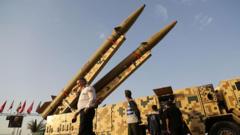
Polish authorities are investigating the explosion of a suspected Russian-fired missile within their borders, an incident that triggered an immediate scramble of NATO air defences and sent shockwaves across the alliance. The projectile, believed to have originated from Russian forces engaged in combat operations in neighbouring Ukraine, landed in a rural area, fortunately causing no casualties but igniting serious concerns about the conflict's potential expansion.
The unprecedented event has prompted urgent consultations among NATO members, with calls for de-escalation while simultaneously affirming the alliance's commitment to collective defence. This incident underscores the precarious nature of the current security situation and the ever-present risk of miscalculation as Russian aggression in Ukraine continues unabated.
Unintended Strike or Deliberate Provocation?
While initial reports from Polish authorities suggest the missile was likely an errant projectile from ongoing fighting in Ukraine, the precise circumstances surrounding its entry into NATO airspace remain under intense scrutiny. Defence analysts are weighing whether this was a tragic accident, a navigational error during a barrage aimed at Ukrainian targets, or a deliberate, albeit risky, Russian provocation. Al Jazeera reported that the growing series of NATO airspace violations by Russian aircraft and now a missile strike is raising significant alarm within Western capitals.
The explosion occurred just kilometres from the Ukrainian border, in a region that has seen an influx of refugees and humanitarian aid since the conflict began. The proximity of the strike to civilian areas, even if accidental, highlights the indiscriminate nature of modern warfare and the acute danger it poses to non-combatant nations bordering war zones. Polish Prime Minister Mateusz Morawiecki convened an emergency national security council meeting, with preliminary findings suggesting the missile's trajectory and impact point are consistent with air defence systems or long-range artillery used in the Ukrainian conflict.
NATO's Measured Response Amidst Escalation Fears
NATO Secretary General Jens Stoltenberg confirmed that the alliance is closely monitoring the situation and coordinating with Poland and other member states. While stressing the importance of a thorough investigation before any definitive conclusions or retaliatory measures are considered, Stoltenberg reiterated NATO's unwavering commitment to protect and defend every inch of allied territory. The scrambling of NATO jets immediately after the incident served as a stark demonstration of this readiness, with air patrols intensified across the eastern flank.
This incident comes at a time when Europe is already grappling with record inflation, an energy crisis exacerbated by the war, and the ongoing humanitarian challenge of supporting millions displaced by the conflict. The prospect of NATO becoming directly embroiled in the conflict, even through an accidental escalation, is a scenario that policymakers are desperate to avoid. Australia, as a staunch ally, will be watching developments keenly, and could potentially allocate additional defence aid in the coming months if the situation warrants, building on the hundreds of millions of Australian dollars already committed to Ukraine.
Protecting Borders and Preventing Spillover
The missile strike serves as a stark reminder of the challenges inherent in managing a major conflict on NATO's doorstep. It underscores the critical need for robust air defence systems and clear communication channels to prevent misunderstandings that could lead to broader confrontation. The incident will undoubtedly prompt renewed discussions within NATO about strengthening collective security measures, particularly along the alliance's eastern borders. Experts note that even accidental incursions or strikes carry significant risks, as the rules of engagement for air defence systems are designed to react swiftly to perceived threats.
The global community, including Australia, remains hopeful for a peaceful resolution to the conflict in Ukraine, but this latest development illustrates how easily the war could spiral out of control. The focus now turns to the detailed investigation by Polish and NATO experts, whose findings will be crucial in determining the appropriate next steps for the alliance and for maintaining stability in a volatile region.