A barrage of Russian strikes has killed at least 18 people across Ukraine, shattering fragile expectations of diplomatic progress ahead of US-led negotiations scheduled to resume later this month.
SBS News Top Stories reported that the devastating bombardment struck multiple regions, leaving scores wounded and critical infrastructure severely damaged. Ukrainian authorities warned that the carnage has dealt a severe blow to the momentum built around upcoming international diplomacy, accusing Moscow of actively attempting to derail discussions before envoys even assemble.
Devastation across civilian hubs
Rescue teams combed through smouldering rubble in affected residential sectors, where emergency services confirmed the death toll had climbed sharply throughout the day. Apartments, municipal buildings, and utility grids bore the brunt of the onslaught. The strikes compound an already gruelling winter for ordinary Ukrainians, who continue to endure rolling power blackouts and depleted heating reserves as regional temperatures hover near freezing.
Military analysts suggest the synchronised barrage was designed to inflict maximal civilian distress while probing Ukrainian air defence networks. Despite recent deliveries of Western-supplied interception batteries, municipal authorities acknowledged that several high-velocity projectiles evaded defensive systems, causing catastrophic structural collapse in densely populated suburbs.
Washington’s fragile diplomatic push
The fatal strikes arrive at a pivotal juncture in the conflict, with Washington preparing to shepherd renewed talks between Russian and Ukrainian representatives before the month concludes. Diplomatic circles had quietly harboured hopes that the exploratory meetings might establish preliminary humanitarian corridors or lay the groundwork for limited ceasefire mechanisms.
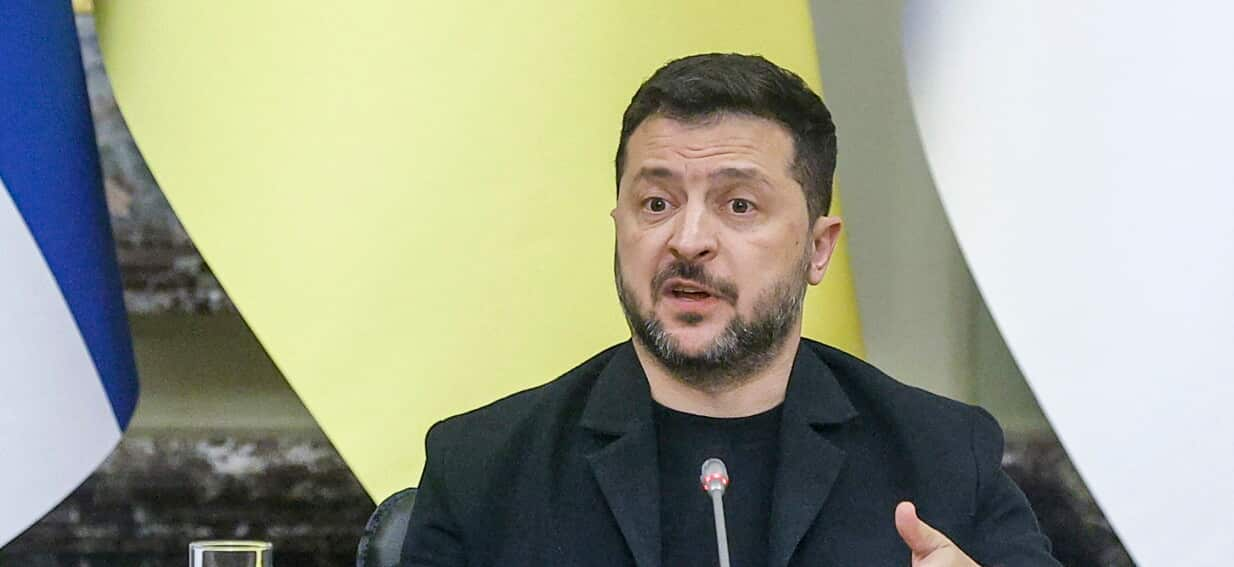
Instead, the renewed loss of life has hardened resolve in Kyiv. Ukrainian officials maintain that constructive negotiations remain virtually impossible while missile strikes continue to decimate urban centres. For Washington, balancing the push for dialogue with continued military and humanitarian commitments remains an increasingly delicate manoeuvre amid mounting fatigue across allied capitals.
Escalation clouds negotiation table
Observers note that Moscow has frequently calibrated its battlefield aggression to coincide with international diplomatic initiatives, seeking leverage through territorial pressure and targeted attrition. Rather than signalling a willingness to moderate demands, the Kremlin’s operational posture suggests a determination to dictate terms from a position of coercive strength.
Negotiators face formidable hurdles, with core issues—including territorial sovereignty, security guarantees, and the withdrawal of occupying forces—remaining fundamentally irreconcilable. Western officials have privately expressed scepticism regarding Moscow’s genuine appetite for compromise, warning that talks could be weaponised to stall international arms supplies.
Australian perspective and regional fallout
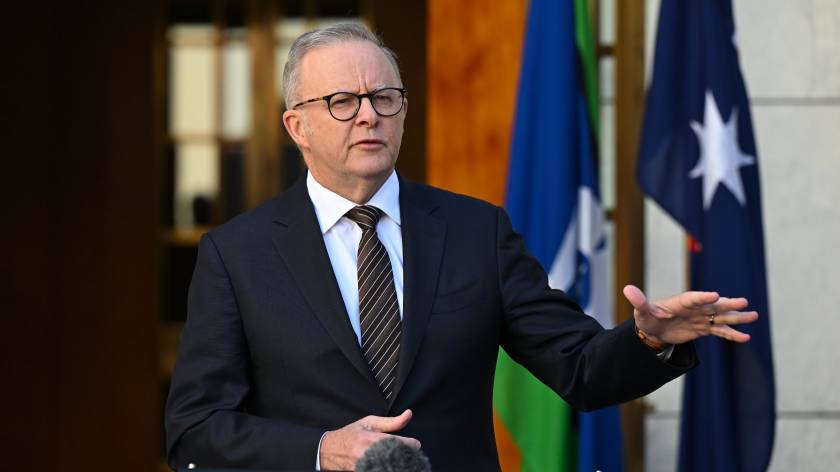
In Canberra, the escalation reinforces long-standing foreign policy assessments that the war in Eastern Europe continues to pose acute risks to global stability. Australia has provided more than $1 billion in military and humanitarian assistance to Kyiv since the 2022 invasion, consistently aligning with multilateral sanctions against Russian state entities.
As diplomatic envoys prepare for what promises to be an excruciatingly complex round of talks, the immediate focus on the ground remains the recovery of the dead and the fortification of vital infrastructure against further overnight assault.