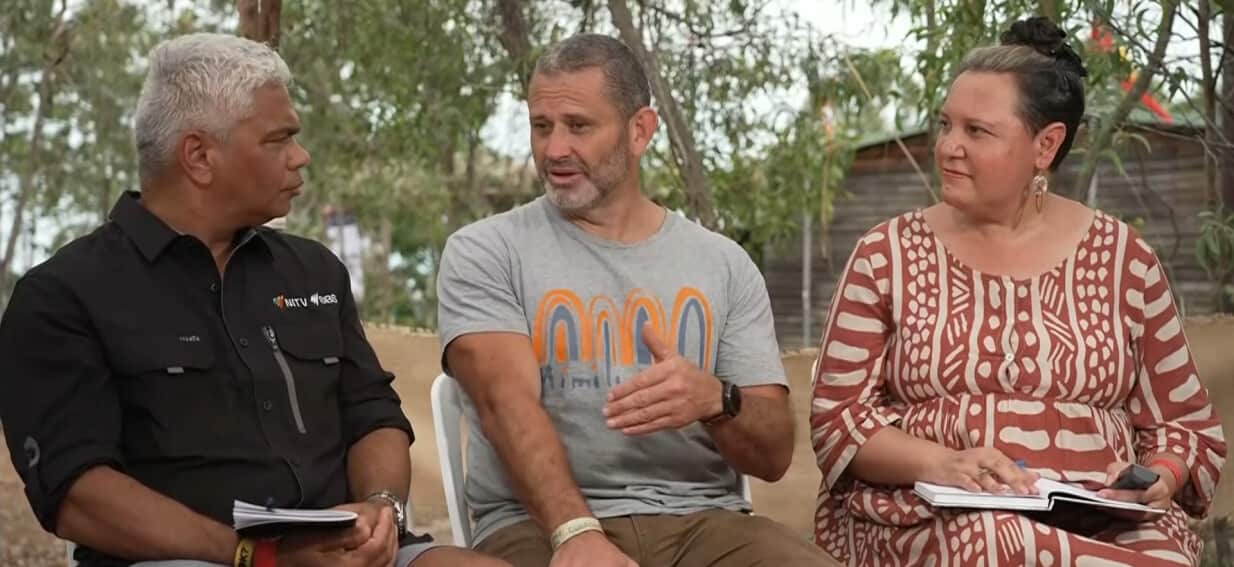
South Australia is steadfastly continuing with its long-anticipated First Nations truth-telling commission, a significant commitment made seven years ago, in the wake of the national Voice to Parliament referendum’s defeat. The state’s Attorney-General, Kyam Maher, has affirmed that the Malinauskas government remains resolute in its promise, viewing it as a crucial step towards reconciliation and acknowledging the state's colonial past.
A Promise Kept Amidst National Disappointment
The decision to proceed with the truth-telling commission, known as the 'Yoo-rrook Justice Commission' in Victoria and 'Truth, Treaty, Justice' in South Australia, highlights a divergence in approach between state and federal efforts regarding Indigenous recognition. While the Voice referendum sought a national constitutional amendment, these state-level commissions focus on a deeper, historical examination of injustices faced by Aboriginal and Torres Strait Islander peoples. Maher emphasised that South Australia's commitment predates the recent referendum, reflecting a long-held understanding of the need for such a process. SBS News Top Stories reported that Maher stated, "We committed seven years ago, and we will make good on that promise." This commitment includes unearthing uncomfortable truths about dispossession, discrimination, and violence that have shaped the lives of Indigenous Australians for generations.
The Mechanics of Truth and Reconciliation
South Australia's commission is designed to be an independent body, tasked with investigating historical grievances, hearing testimonies from Indigenous elders and community members, and compiling a comprehensive record of the past. It will operate with powers akin to a Royal Commission, allowing it to subpoena witnesses and compel the production of documents, ensuring a thorough and rigorous examination. The objective extends beyond merely documenting history; it aims to foster a shared understanding among all South Australians about the profound and lasting impacts of colonisation. Recommendations emerging from the commission are expected to inform policy changes, educational reforms, and potentially pathways for reparations or other forms of restorative justice. The establishment of similar commissions in other states, such as Victoria, provides a valuable blueprint for South Australia, allowing it to learn from existing models while tailoring its approach to local contexts and needs.
Funding and Broader Implications for Justice
The financial commitment to the truth-telling commission underscores the South Australian government's seriousness. While exact figures for the entire duration of the commission are still being finalised, initial allocations signify a substantial investment in the process. This funding will cover operational costs, legal support for participants, and the extensive research required to fulfil its mandate. Beyond the direct financial implications, the commission represents a significant investment in social capital and a renewed focus on healing historical wounds. Its findings are expected to have broad implications for education, heritage protection, and the way state institutions interact with Indigenous communities. It offers an opportunity for the state to set a national example, demonstrating how a jurisdiction can proactively address its past to build a more equitable future, even when national initiatives face setbacks.
A Path Towards a Shared Future
The continuation of South Australia's truth-telling commission is not merely an administrative decision; it is a profound act of leadership and a testament to the enduring spirit of reconciliation within the state. By acknowledging the past, confronting difficult truths, and amplifying the voices of First Nations peoples, South Australia aims to lay a stronger foundation for a shared future. This initiative stands as a beacon of hope, demonstrating that the pursuit of justice and understanding can and must continue, irrespective of broader political outcomes. It’s a vital step towards ensuring that the experiences and contributions of Indigenous Australians are not only recognised but become an integral part of the state’s collective identity and narrative.