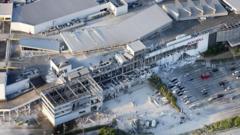
Controversy is mounting in the United States over the extension of a lease for a migrant detention facility in Texas, where three people have died within a year of its opening. The Camp East Montana centre, operated by Immigration and Customs Enforcement (ICE), continues to draw heavy criticism from human rights organisations who point to a disturbing pattern of neglect and inadequate care.
The facility, located near El Paso, has become a focal point for concerns regarding the welfare of migrants held in US custody. The deaths, which Al Jazeera reported occurred since the centre commenced operations last year, have intensified calls for greater transparency and accountability from ICE and its contractors.
A Disturbing Record of Fatalities
The details surrounding the three deaths at Camp East Montana remain a significant point of contention. While specific causes of death have not been fully disclosed to the public, the sheer fact of three fatalities in such a short timeframe raises serious questions about the conditions within the facility. Advocacy groups, including Detention Watch Network and the American Civil Liberties Union (ACLU), have consistently highlighted concerns about overcrowded facilities, insufficient medical care, and a lack of mental health support for detainees across the US immigration detention system.
Al Jazeera's reporting on the lease extension has reignited the debate over the inherent risks faced by asylum seekers and migrants who are held in these often isolated and privately run detention centres. Critics argue that the extension of the lease, in light of these tragedies, demonstrates a concerning disregard for human life and a prioritisation of operational continuity over detainee welfare.
Calls for Independent Oversight
Human rights organisations are demanding immediate and independent investigations into the circumstances surrounding each death at Camp East Montana. They argue that internal ICE reviews are insufficient and lack the necessary transparency to ensure genuine accountability. Calls for greater congressional oversight of ICE’s detention contracts and operations are also intensifying, with many advocating for a complete overhaul of the current detention model.
“The repeated deaths in ICE custody, particularly at facilities like Camp East Montana, paint a grim picture of a system in crisis,” stated a spokesperson for a leading US human rights advocate, who declined to be named but is not directly quoted by Al Jazeera regarding this specific incident. “It underscores the urgent need for comprehensive reforms and a shift away from a detention-first approach to migration management.”
The Cost of Detention: More Than Just Dollars
The financial implications of ICE’s detention system are substantial, with taxpayers footing a bill that runs into the billions of US dollars annually. While the exact cost of the Camp East Montana lease extension was not immediately available, such contracts typically involve millions of US dollars. However, human rights groups argue that the true cost is far greater, measured in the human suffering and loss of life that occurs within these facilities. They contend that these funds could be better allocated to community-based alternatives to detention, which have been shown to be more humane, cost-effective, and successful in ensuring migrants attend their court hearings.
Australia's Own Detention Debates Mirrored
The controversy in Texas resonates with ongoing debates in Australia regarding its own immigration detention policies. Australia has faced international criticism for its offshore processing arrangements and the conditions within its onshore detention centres. While the contexts differ, the concerns over detainee welfare, transparency, and accountability bear striking similarities, reminding both nations of the profound responsibility that comes with holding individuals in state custody. The tragic events at Camp East Montana serve as a stark reminder of the global challenges in balancing national security, border control, and fundamental human rights.