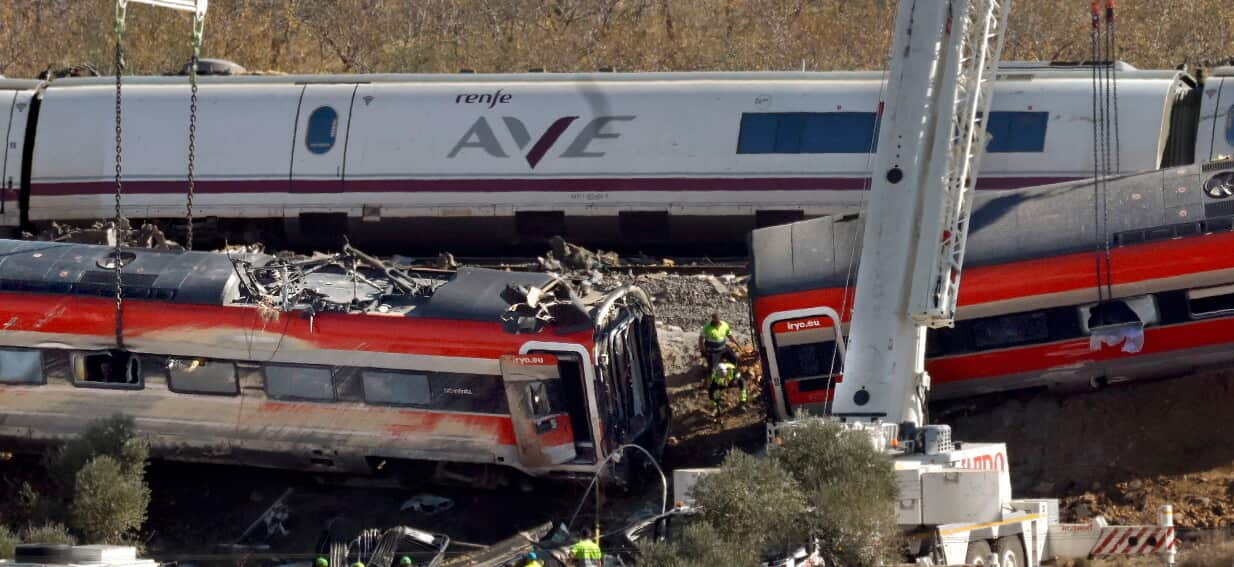
Two Australians have been confirmed dead following a catastrophic high-speed train derailment in Spain, which has claimed multiple lives and triggered the immediate resignation of the nation's embattled transport minister.
The disaster, which occurred along one of the country's flagship rail corridors, has plunged the European nation into mourning and sparked urgent demands for political accountability from opposition figures and victims' families.
SBS News Top Stories reported that Spain's transport minister tendered their resignation within hours of the incident, amid blistering public backlash over the state of rail infrastructure and the speed at which emergency services responded.
Consular assistance mobilised across Europe
In Canberra, the Department of Foreign Affairs and Trade confirmed it was liaising with Spanish emergency personnel and local authorities to verify the identities of the deceased and offer formal support to their families.
Consular officials in Madrid and Canberra have extended direct assistance to the families of the two Australians. A spokesperson for the department indicated that due to privacy obligations, further personal details regarding the victims—including their ages and home states—would not immediately be disclosed.
Travel advisories were updated on the federal government’s Smartraveller portal, urging Australians travelling across the Iberian peninsula to monitor updates from local transport authorities and anticipate widespread transit disruptions across the regional rail network.
Ministerial resignation follows mounting public fury
The swift departure of Spain's transport minister underscores the severe political reverberations of the tragedy. Before stepping down, the minister faced an immediate barrage of criticism over alleged neglect of track monitoring systems and persistent delays in rolling out automated braking enhancements.
SBS News Top Stories reported that calls for comprehensive accountability escalated swiftly across parliament, prompting the prime minister to accept the minister's resignation in an effort to contain the burgeoning crisis. An emergency cabinet sitting was convened in Madrid to address infrastructure oversights and approve financial relief packages for survivors and the next of kin.
Government representatives conceded that public faith in the national rail operator had been shattered by the incident, promising that an independent inquiry would examine whether institutional negligence contributed to the derailment.
Scrutiny falls on high-speed rail safety protocols
Investigators from Spain’s judicial police and civil rail safety commission have established a perimeter around the wreckage, working through twisted carriages to recover data recorders and conduct structural stress analyses.
Preliminary inquiries are focusing on whether mechanical failure, excessive speed or signalling anomalies triggered the derailment on a section of track undergoing routine maintenance.
The disaster marks one of the darkest chapters in contemporary European rail travel, dealing a profound blow to a network historically lauded as a global benchmark for engineering prowess and passenger throughput.
Recovery operations underway amidst national mourning
Emergency crews, including specialist urban search-and-rescue teams, worked through the night under floodlights to clear debris and ensure no passengers remained trapped beneath derailed carriages.
Hospitals in the surrounding province remain on high alert, treating dozens of injured travellers, several of whom are understood to be in intensive care units.
In Australia, community leaders and federal parliamentarians have expressed deep condolences to the families affected by the disaster, as the nation prepares to repatriate the remains of the two victims once Spanish forensic examinations conclude.