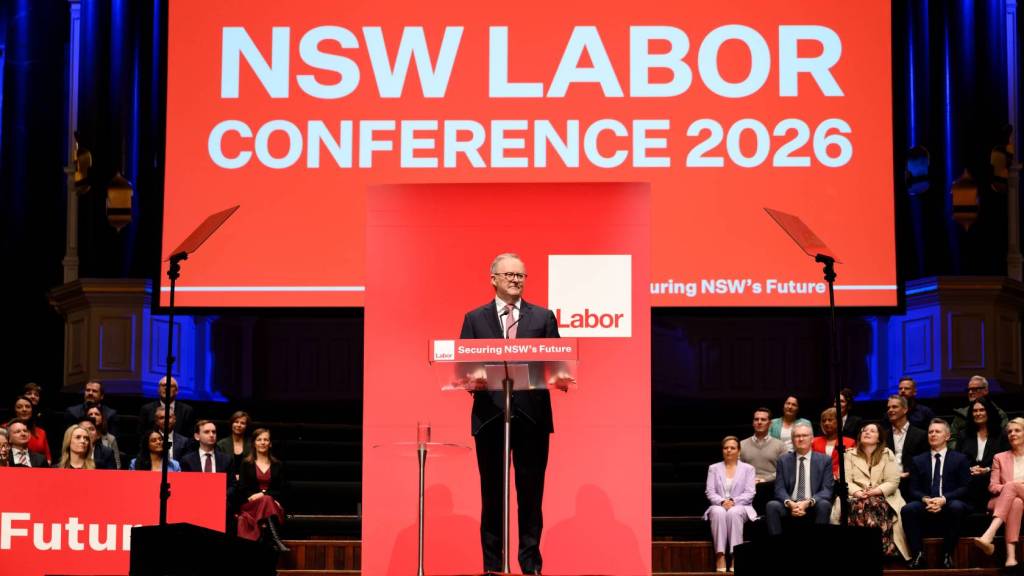
Prime Minister Anthony Albanese is grappling with an unexpected internal revolt from the Labor Party's rank-and-file, as a contentious debate over proposed gambling reforms spilled into public view at the recent NSW Labor conference. The controversy, as reported by political website Crikey, has spotlighted deep divisions within the party just as a separate protest concerning the Middle East conflict also punctuated the event.
Divisions Emerge Over Gambling Reform
The Albanese government’s proposed overhaul of gambling legislation has inadvertently ignited a firestorm from within its own party. While the specifics of the ‘revolt’ remain largely unarticulated by government officials, Crikey’s reporting suggests a significant segment of the party’s grassroots membership voiced strong disapproval of the proposed changes. This internal pushback comes despite the broader societal call for more stringent regulations on the nation’s pervasive gambling industry, which has long been a source of significant social and economic concern across Australia.
Sources close to the conference indicated that the dissent wasn't merely a fringe element but represented a tangible body of opinion critical of the government's direction. While the Prime Minister's public stance remains committed to comprehensive gambling reform, the intensity of the internal opposition underscores the delicate balance required to legislate on such a sensitive issue. The pressure from within Labor’s own ranks adds another layer of complexity to an already challenging policy area, potentially forcing the government to reconsider elements of its reform package.
Streaming Services and Advertising Concessions
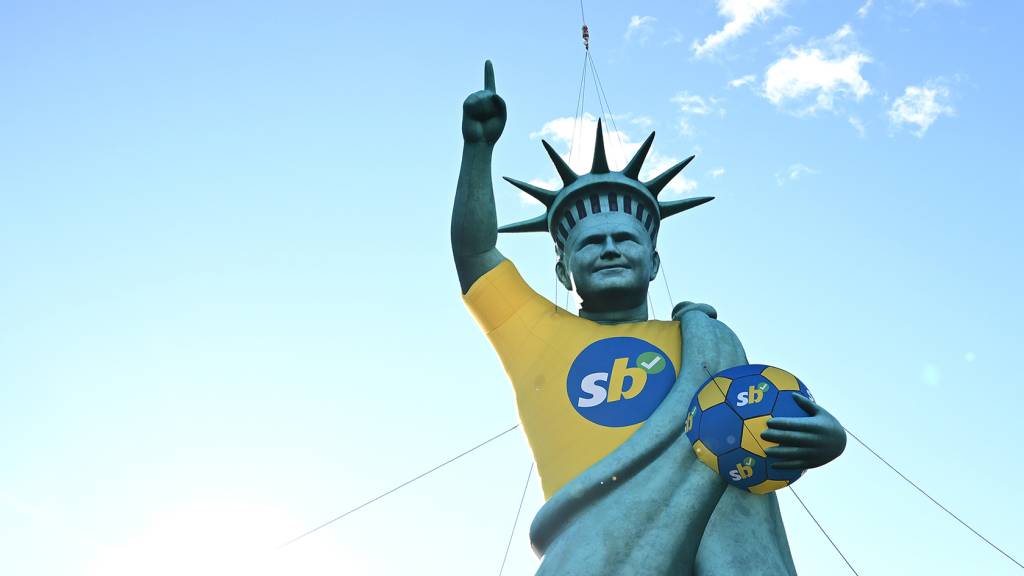
Compounding the internal party tensions, Crikey revealed that the new gambling laws are reportedly set to permit streaming services to continue broadcasting gambling advertisements. This particular provision has raised eyebrows among public health advocates and anti-gambling campaigners, who argue that such an allowance undermines the very purpose of stricter regulations. Critics contend that extending gambling advertisements to streaming platforms, which are increasingly popular among younger demographics, could inadvertently broaden the reach of gambling promotion rather than curtail it.
This aspect of the reform package has fuelled concerns about the government’s commitment to genuine harm minimisation. Australian streaming habits have soared in recent years, making these platforms a powerful medium for advertising. The decision to potentially include them in the ambit of allowed gambling ads suggests a significant loophole that could be exploited by the industry, leading to continued exposure for millions of Australians, contrary to the broad public sentiment for tighter controls.
Broader Policy Implications
The internal party friction, combined with the specifics of the proposed legislation, places the Albanese government in a precarious position. The challenge now is to navigate these contrasting pressures – the desires of its party’s base, the demands of public health advocates, and the lobbying efforts of the gambling industry – while attempting to deliver on a promise of meaningful reform. The implications extend beyond the immediate legislative battle, touching upon the government's capacity to maintain party unity on contentious issues and its perceived integrity in tackling social harms.
The gambling reform debate is not an isolated incident; it reflects a broader struggle within Australian politics to balance economic interests with social welfare. As the government finalises its legislative proposals, the unfolding drama at the NSW Labor conference serves as a potent reminder that even the most well-intentioned reforms can encounter unexpected resistance, particularly when they touch upon deeply held ethical convictions within the party's core support base. The coming months will undoubtedly test the Albanese government's resolve and its ability to reconcile conflicting visions for a fairer Australia.