The vast, unforgiving wilderness of Wyoming's Teton mountains has claimed the life of an adventurous 28-year-old Australian hiker, William Standish. Mr Standish, who had been embarking on the monumental Continental Divide Trail, was discovered deceased on Wednesday morning after an extensive search, leaving his family and friends in Australia grappling with the devastating news.
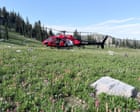
Mr Standish, an experienced outdoorsman by all accounts, had been trekking a challenging section of the Continental Divide Trail that weaves between the iconic Yellowstone and Grand Teton national parks. Concern mounted when he failed to make contact with his family, prompting a search operation in the formidable terrain he was known to be traversing. His body was eventually located by rescue teams in the Wigwams, a series of treacherous rocky peaks situated on the west slope of the Teton mountain range.
Tragic Discovery in Treacherous Terrain
The Teton county coroner's office confirmed the identification of Mr Standish. While a full investigation into the circumstances of his death is underway, initial reports from investigators suggest that a fatal fall was the likely cause. The Wigwams area, known for its steep inclines and unstable rock formations, presents significant hazards even for seasoned hikers, particularly those carrying heavy packs over long distances.
The Continental Divide Trail, one of America's premier long-distance hiking routes, stretches over 5,000 kilometres from the Mexican to the Canadian borders, traversing diverse and often remote landscapes. Hikers undertaking the entire trail typically spend months on the journey, facing extreme weather, challenging navigation, and the ever-present risks of wildlife encounters and geographical perils. Mr Standish's ambitious undertaking underscores his passion for the outdoors and his determination to conquer one of the world's most demanding trails.
Family Awaits Repatriation
News of Mr Standish's death has sent shockwaves through his community in Australia, where family and friends are now making arrangements for the repatriation of his body. The Department of Foreign Affairs and Trade (DFAT) in Canberra would likely be providing consular assistance to the Standish family during this difficult time, offering support with logistical and administrative processes involved in bringing their loved one home.
The cost of repatriating a body from the United States can be substantial, often running into tens of thousands of Australian dollars, depending on the services required and the destination within Australia. This financial burden, coupled with the immense emotional toll, adds another layer of complexity for grieving families in such tragic circumstances.
Wilderness Risks Highlighted
Mr Standish's untimely death serves as a sombre reminder of the inherent risks associated with venturing into remote wilderness areas, particularly for solo hikers. While the beauty and solitude of such trails are a powerful draw, the dangers of sudden weather changes, unexpected falls, and the vast distances from immediate medical help are ever-present. Authorities consistently advise hikers to share their itineraries, carry satellite communication devices, and be prepared for all eventualities when tackling challenging routes like the Continental Divide Trail. The Guardian Australia reported on the grim discovery, noting the perilous nature of the terrain where Mr Standish was found.