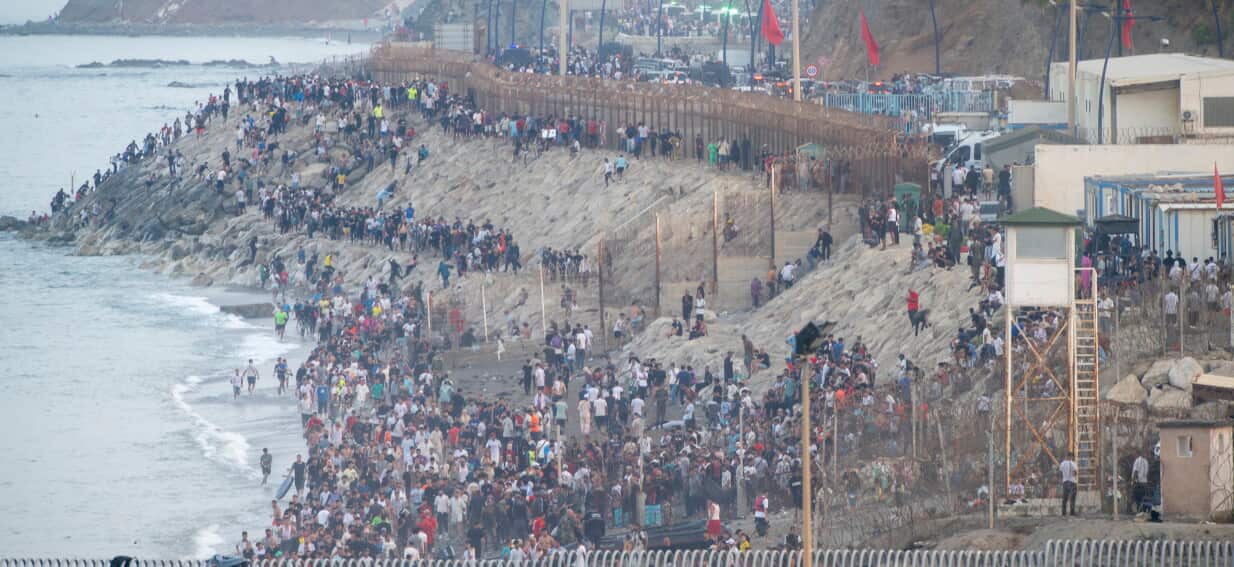
At least 57 migrants have tragically lost their lives attempting to cross into the Spanish enclave of Ceuta, a grim toll amidst a mass movement of people that has seen tens of thousands surge towards the European border. The fatalities, reported by SBS News Top Stories, underscore the extreme dangers faced by those seeking a better life, as the Spanish government confirms the vast majority of those who made the journey have since returned to Morocco.
Perilous Journeys and Devastating Losses
The exact circumstances surrounding the 57 deaths remain unclear, but it is understood many succumbed to the treacherous waters of the Mediterranean or the perilous land crossings that define the Ceuta frontier. The enclave, along with Melilla, represents Europe's only land borders with Africa, making them magnets for migrants from across the continent hoping to reach European soil. The sheer number of fatalities in such a short period paints a stark picture of the desperation driving these individuals and the lack of safe, legal pathways available to them. Human rights organisations have consistently highlighted the dangers inherent in these crossings, often undertaken in overcrowded and unseaworthy vessels, or through heavily fortified fences and hostile terrain.
A Surge and a Retreat
Earlier this year, Ceuta experienced an unprecedented influx of migrants, with reports indicating over 50,000 individuals crossing into the Spanish territory. This surge overwhelmed local resources and ignited diplomatic tensions between Spain and Morocco. The Spanish government, however, now states that the “vast majority” of these individuals have voluntarily returned to Morocco. While the specific figures for these returns are not publicly available, the sheer scale suggested by authorities indicates a significant de-escalation of the initial crisis. The motivations behind these voluntary returns are complex, ranging from lack of resources within the enclave, dissuasion efforts by Spanish authorities, to pressure from Moroccan officials. The situation has drawn comparisons to previous migrant flows in other parts of Europe, highlighting the cyclical nature of such humanitarian challenges.
Australia's Perspective: A Distant Mirror
While geographically distant, Australia's own history with border protection and asylum seekers offers a unique lens through which to view the Ceuta crisis. The debate surrounding “turn-backs” and offshore processing of asylum seekers in Australia has often mirrored the ethical and practical dilemmas faced by European nations. The cost of managing such complex humanitarian situations is substantial; for instance, the Australian government allocates hundreds of millions of dollars annually to its border security operations. The Ceuta situation serves as a stark reminder that the human cost, however, far outweighs any financial figures. It also prompts reflection on global responsibility and the need for internationally coordinated efforts to address the root causes of migration, such as conflict, poverty, and political instability.
The Lingering Questions for Europe
The events in Ceuta leave Europe grappling with profound questions about its border policies, humanitarian obligations, and relationship with neighbouring African nations. The swift return of thousands of migrants, while easing immediate pressures on Ceuta, does not resolve the underlying issues that drive people to undertake such dangerous journeys. Critics argue that a focus on deterrence alone, without addressing the broader push factors, will only lead to more desperate attempts and further tragedies. The international community, including Australia, will be closely watching how Spain and the European Union navigate this complex humanitarian challenge, seeking sustainable solutions that uphold both national sovereignty and human dignity.