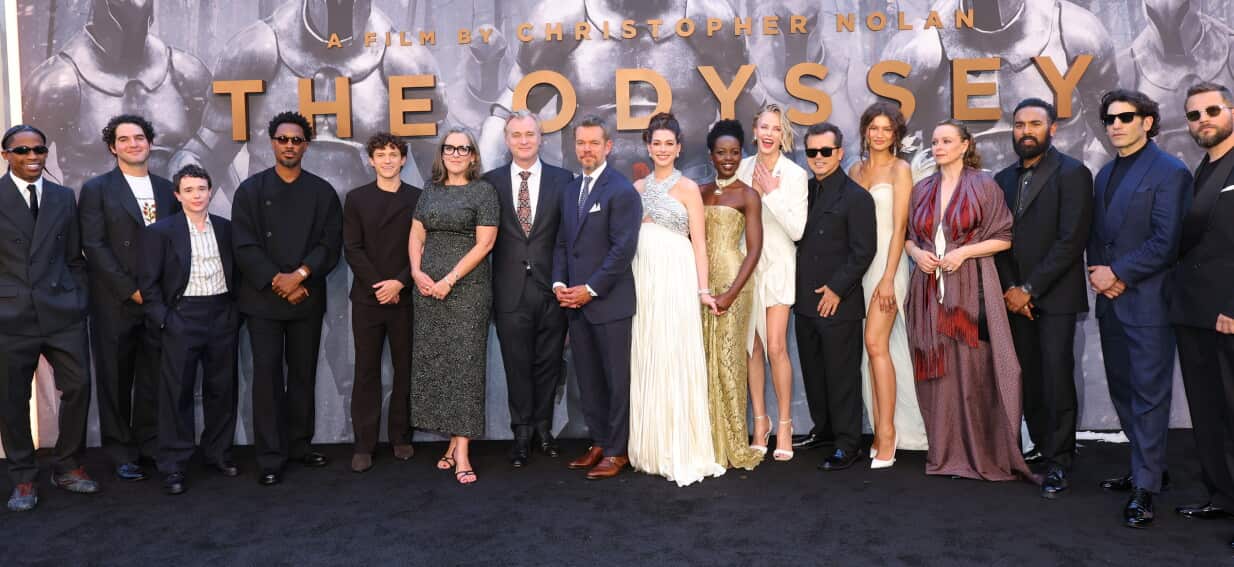
Christopher Nolan’s latest cinematic masterpiece, The Odyssey, has been hailed as a triumph of filmmaking, drawing accolades for its breathtaking visuals and intricate narrative. Yet, beneath the surface of widespread acclaim, a curious omission has sparked a spirited debate among critics, particularly those with a keen eye for cultural nuances. What some are calling a surprising oversight has become a talking point: the conspicuous absence of a Tim Tam.
The iconic Australian chocolate biscuit, beloved by millions, has found itself at the centre of a discussion amplified by an SBS News Top Stories report. While the film features numerous international product placements and cultural touchstones, the humble Tim Tam, a staple in Australian households, is nowhere to be seen. This absence, seemingly minor, has prompted questions about global representation in blockbuster cinema and the unconscious biases that might shape such productions.
The Disappearing Delicacy
Nolan’s The Odyssey, a sprawling saga that traverses continents and cultures, meticulously crafts its world with an eye for detail. From the bustling streets of Tokyo to the serene landscapes of the Scottish Highlands, the film is rich with recognisable elements that ground its fantastical narrative in reality. However, for a film reportedly aiming for universal appeal, the omission of such a globally recognised Australian brand as the Tim Tam, especially given its presence in many international markets, has struck some as an odd choice. The biscuits, manufactured by Arnott's, are available in over 40 countries, with annual sales reportedly exceeding 450 million packets worldwide, generating hundreds of millions of dollars in revenue.
A Broader Cultural Context
Critics point out that while a single biscuit might seem trivial, its absence can be viewed through a broader lens of cultural representation in Hollywood. Australian cinema and television often feature overt references to national identity, from slang to iconic landmarks. However, in major international productions, Australian cultural markers are frequently overlooked or relegated to stereotypes. The SBS News Top Stories report highlighted this as a point of contention, suggesting that while the film strives for global authenticity, it might inadvertently perpetuate a subtle form of cultural invisibility for certain nations.
One film critic, speaking anonymously to preserve professional relations, remarked, "It's not about product placement dollars; it's about recognition. When you see brands from other countries seamlessly integrated, and then a widely exported Australian product is absent, it makes you wonder if Australian culture is still seen as a niche market rather than a global player."
The 'Tim Tam Slam' Conundrum
Beyond mere product placement, the Tim Tam holds a special place in Australian culture due to the popular ritual of the 'Tim Tam Slam' – biting off opposite corners of the biscuit, using it as a straw to drink a hot beverage, and then eating the softened biscuit. This unique cultural practice, deeply embedded in the Australian psyche, represents more than just a snack; it's a shared experience. The absence of even a fleeting nod to such an iconic Australian ritual, especially in a film so focused on cultural detail, has been noted by some as a missed opportunity to connect with a significant portion of its global audience.
Nolan's Intentions Under Scrutiny
While no one is suggesting malicious intent, the debate nonetheless raises questions about the research and cultural consultation processes employed in major film productions. Was the Tim Tam simply overlooked? Was there a deliberate choice to exclude it? Or does it highlight a broader issue of unconscious bias in the representation of non-American or non-European cultures in global cinema? As of writing, representatives for Christopher Nolan or the film's production company have not commented on the specific absence. However, the discussion underscores the increasing demand from audiences and critics alike for more inclusive and authentic cultural representation in blockbuster films, reminding filmmakers that even the smallest details can have significant cultural resonance. Perhaps a director's cut will one day include the iconic Aussie snack.