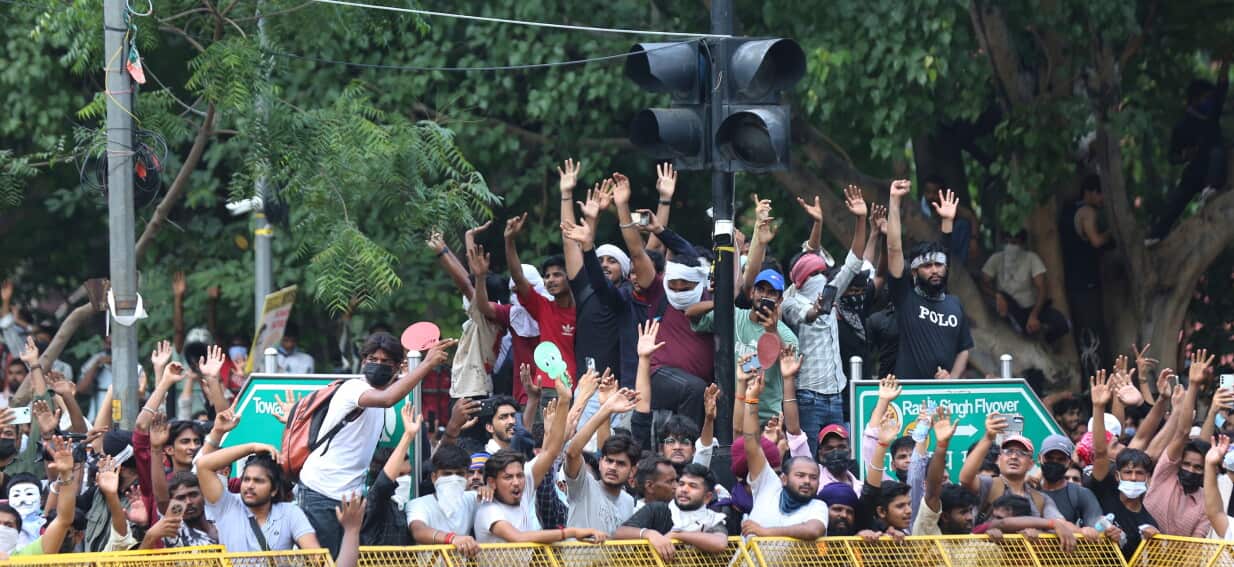
NEW DELHI – What began as a series of grassroots demonstrations across India has culminated in a substantial victory for the burgeoning ‘cockroach’ movement, with a high-profile ministerial resignation signalling a major concession by the government. The departure of the prominent figure fulfills one of the key demands of the widespread and persistent protests that have swept the nation in recent months.
A Swarm of Discontent Rises
The movement, affectionately — or perhaps defiantly — nicknamed 'cockroach' by its participants, reflects a collective frustration with entrenched corruption and a perceived lack of accountability within government. Much like the resilient insect they’ve adopted as their symbol, the protestors have proven difficult to dislodge, spreading their message and operations across various states with remarkable tenacity. Their sustained public pressure, characterised by large-scale marches, sit-ins, and digital campaigns, has brought particular scrutiny to several government departments and their leadership.
SBS News Top Stories reported that the resignation was met with jubilant celebrations among activists in several major Indian cities, with many describing it as a watershed moment. While specific details of the minister's alleged transgressions remain largely under wraps in official statements, the public agitation had consistently implicated the individual in various controversies, pushing their removal to the top of the movement's agenda.
From Whispers to Roars: The Movement's Efficacy
The 'cockroach' movement distinguishes itself by its decentralised nature and its ability to mobilise diverse segments of Indian society, from farmers and labourers to students and urban professionals. Initially dismissed by some as a fringe element, its growing numbers and the sheer scale of its organised dissent have forced the establishment to take notice. The strategy involves targeting specific figures and policies, making their demands clear and unyielding. This recent win demonstrates the potent efficacy of such a focused approach.
Observers both domestically and internationally are now keenly watching to see if this victory emboldens the movement to push for further reforms, or if the government's concession will temporarily quell the unrest. The cost of these protests to the Indian economy, while not officially tallied, is estimated by some analysts to be in the tens of millions of Australian dollars due to disruption and decreased productivity in affected regions.
Beyond the Headlines: What Comes Next?
While the celebration is understandable, many within the movement are already looking ahead, understanding that this resignation is but one battle won in a larger war for systemic change. The 'cockroach' moniker also hints at the group's intent to burrow into various aspects of governance, exposing perceived inefficiencies and injustices wherever they are found.
The broader implications of this success are considerable. It sets a precedent that sustained public pressure can indeed force high-level government accountability, a notion that has often felt out of reach for ordinary citizens in India. The coming weeks will reveal whether this initial triumph transforms into a broader movement for governance reform or remains an isolated, albeit significant, incident.