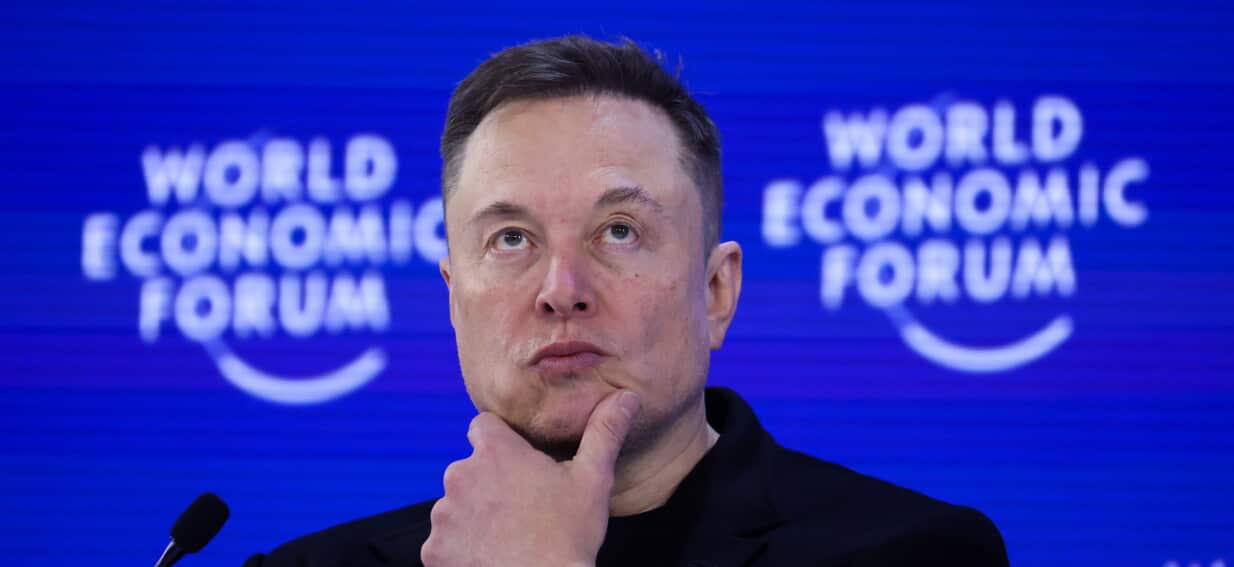
Sydney, Australia – Tesla, the electric vehicle behemoth steered by the enigmatic Elon Musk, is facing increased scrutiny from financial circles, with analysts flagging the company's shares as a "very volatile stock." The caution comes as Musk doubles down on massive investments in artificial intelligence and other emerging technologies, a strategy he insists is crucial for future growth, but one that may take a considerable time to materialise into tangible returns.
While Tesla has long been a darling of growth investors, its recent trajectory, characterised by substantial capital outlays on AI, robotics, and its 'Optimus' humanoid robot project, is prompting a more circumspect view. The sheer scale of these investments, reportedly running into billions of US dollars, is prompting questions about short-to-medium term profitability and the company's immediate financial performance.
The High-Stakes AI Gamble
Musk's vision for Tesla extends far beyond manufacturing electric cars. He views the company as a pioneering force in artificial intelligence, leveraging its vast trove of real-world driving data to develop advanced autonomous driving capabilities and, perhaps more ambitiously, general-purpose AI. This grand strategy, however, requires significant financial commitment. SBS News Top Stories reported that this heavy expenditure is seen by Musk as essential for maintaining Tesla's competitive edge and securing its long-term future in a rapidly evolving technological landscape.
However, the path from substantial investment to profitable innovation is rarely linear or swift. Financial analysts are highlighting that these ventures, while potentially groundbreaking, are inherently long-term plays. This means that while the company pours resources into these areas, the immediate financial payoffs might remain elusive, creating a period of uncertainty for investors accustomed to more rapid returns.
Investor Sentiment and Market Volatility
The market’s perception of Tesla has historically been linked to Musk's bold pronouncements and the company's ability to disrupt established industries. However, the current emphasis on futuristic, capital-intensive projects, with uncertain timelines for commercial viability, introduces a new layer of risk. This has contributed to the assessment that Tesla's stock is becoming increasingly volatile. Share price fluctuations can be sharper and less predictable as investors weigh the promise of future innovation against the reality of present-day spending and delayed gratification.
Australian investors holding Tesla shares, or considering them, are being advised to proceed with caution. While the potential for transformative breakthroughs remains, the immediate investment landscape is shaped by significant capital expenditures that are yet to yield a clear return on investment. The ASX, while not directly listing Tesla, sees considerable interest from Australian brokers and superfunds investing in the US market.
Balancing Innovation with Returns
The challenge for Tesla, and indeed for any company pushing the boundaries of technology, is to balance the imperative of innovation with the expectations of shareholders for consistent financial performance. Musk's strategy appears to prioritise long-term technological dominance, even if it means sacrificing some short-term profit margins. This approach distinguishes Tesla from many traditional automotive manufacturers, who tend to focus on more incremental advancements and quicker returns on investment.
Ultimately, the 'volatile stock' label serves as a reminder that investing in Tesla, while offering exposure to potentially revolutionary technologies, comes with an elevated level of risk. Investors are being encouraged to conduct thorough due diligence, understand the implications of the company's aggressive AI strategy, and consider their own risk tolerance before committing capital to a company navigating such an ambitious, high-stakes trajectory.